
HKG — DPS · Guide
Hong Kong to Bali Cultural Tips: Etiquette, Food, Currency
Five hours from Chek Lap Kok, no time difference, and a set of customs worth learning before you land. Temple dress, the left hand, jam karet, canang sari — and where to eat.
Distance
3,450 km
Hong Kong to Denpasar
Jet lag
None
Both on UTC+8
Temple kit
IDR 10–25k
Sarong + sash, rented at the gate
Babi guling
IDR 70k
Full plate at a local warung
The view from the Airport Express as it glides out of Kowloon Station is one of verticality and relentless energy. It’s a familiar scene for the Hong Kong resident: a skyline of steel and glass reflecting the harbor’s perpetual motion. Yet, in five hours, this perspective will be inverted. The destination is Bali, an island where life spreads horizontally, governed not by the stock market’s opening bell but by the rhythm of ceremonies and the tides at Echo Beach. For the traveler accustomed to the efficiency of the MTR and the immediacy of Central, the transition requires more than just a boarding pass. It requires a recalibration of mindset.
The challenge is not simply bridging the 3,450 kilometers between the two islands; it is the subtle but profound cultural currents that differentiate a fleeting visit from a truly resonant experience. How does one move from the transactional nature of a Hong Kong business lunch to the communal spirit of a Balinese family compound? This guide addresses the practicalities—flights, visas, currency—and goes into the cultural nuances that will define your time on the Island of the Gods, whether for a long weekend or a more extended sojourn.
01 — 06
The Flight from Chek Lap Kok to Denpasar: Your Five-Hour Transition
The direct flight from Hong Kong (HKG) to Denpasar (DPS) serves as a crucial corridor, a five-hour liminal space to decompress from Hong Kong’s intensity and prepare for Bali’s distinct pace. Several carriers service this popular route, making a weekend trip from Hong Kong to Bali entirely feasible. Cathay Pacific operates daily flights, such as the afternoon CX785, which typically departs around 3:00 PM, arriving at Ngurah Rai International Airport just before 8:00 PM local time. Hong Kong Airlines also offers regular direct services, including evening flights like HX706, which are ideal for a Sunday return.
One of the convenient aspects for Hong Kong travelers is the time zone. Bali operates on Indonesia Central Time (WITA), which is UTC+8, the same as Hong Kong. This eliminates the disorienting effects of jet lag, allowing you to maximize your time on the ground from the moment you land. Use the flight time productively. Instead of diving into work emails, consider this your initial cultural immersion. Download a podcast on Balinese history or begin reading a book set on the island, such as Elizabeth Gilbert’s 2006 memoir Eat, Pray, Love, which famously features Ubud. This brief period of disconnection is the first step in attuning yourself to the island’s more contemplative frequency. A journey from Hong Kong to Bali is as much a mental shift as a physical one.
02 — 06
Visa and Arrival at Ngurah Rai: The Formalities
Arrival at Denpasar’s I Gusti Ngurah Rai Airport (DPS) is a well-organized process, but knowing the steps beforehand ensures a smooth entry. For Hong Kong Special Administrative Region (HKSAR) passport holders, Indonesia offers a Visa on Arrival (VoA) for tourism purposes, valid for 30 days and extendable once for another 30 days. The cost for the VoA is IDR 500,000 per person, which is approximately USD 32 or HKD 250. Payment can be made in major currencies, but paying in Indonesian Rupiah is often the most straightforward. You will see the “VoA Payment” counter before you reach immigration.
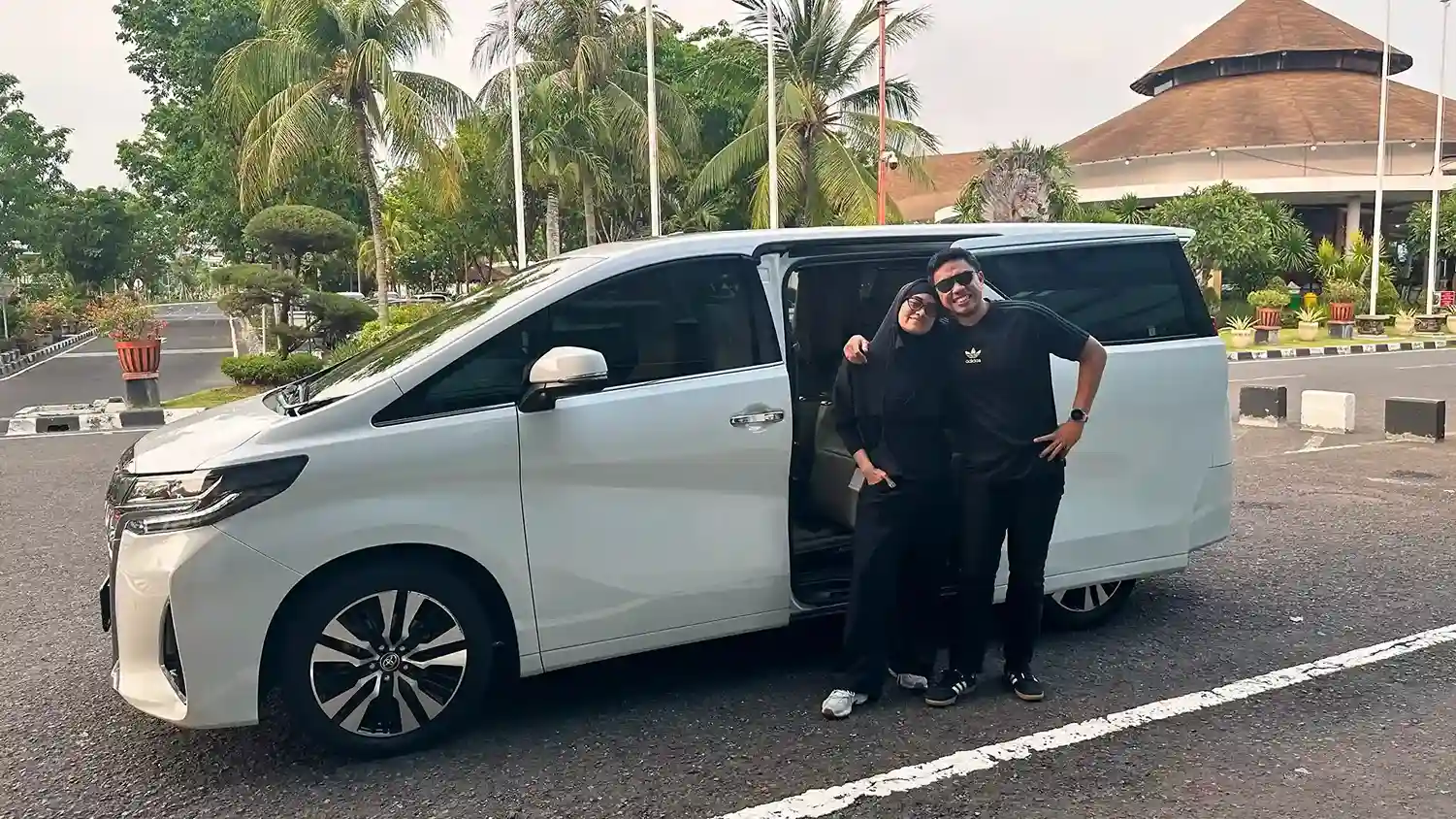
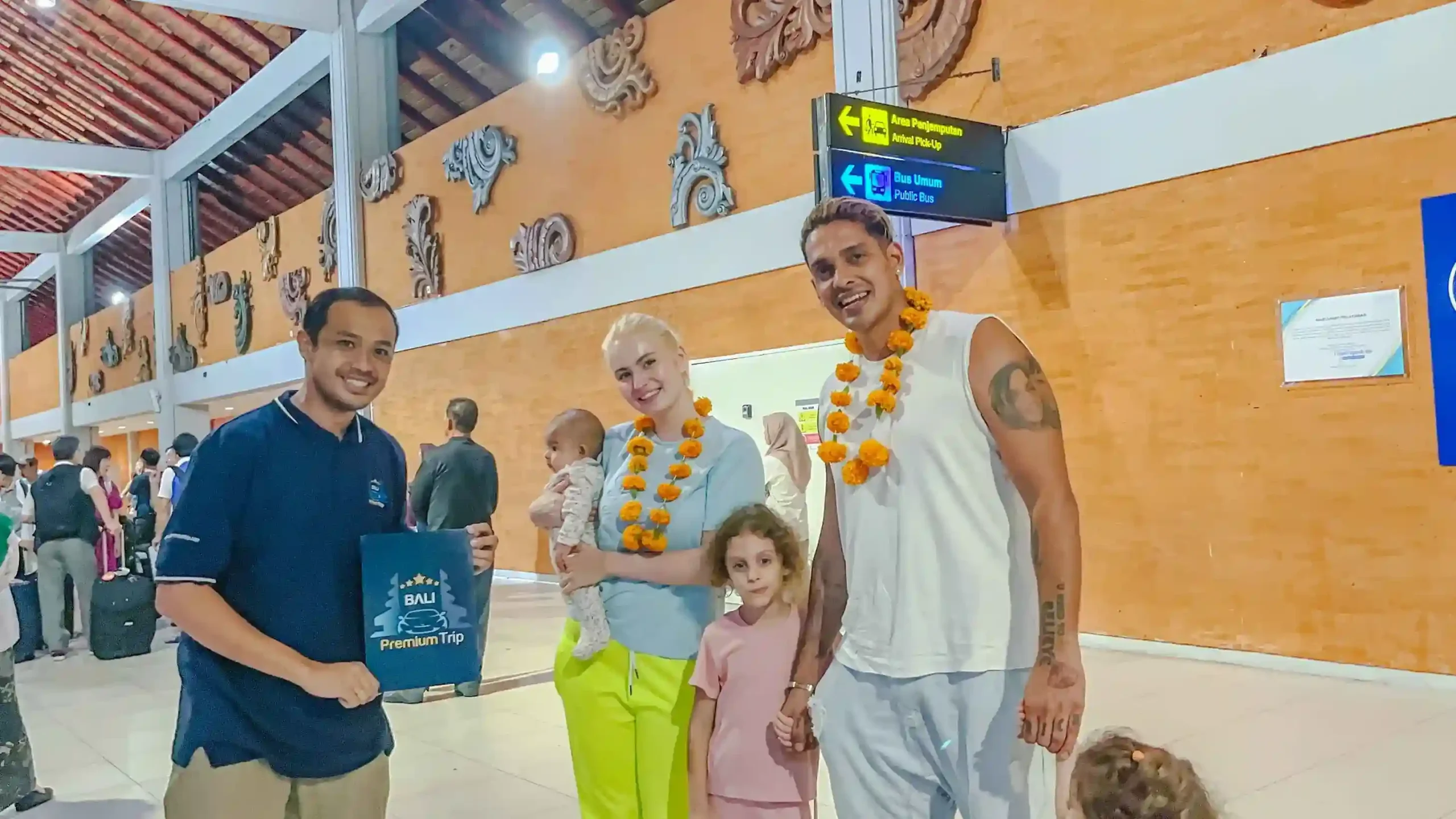
To streamline the process, travelers can now apply for an electronic Visa on Arrival (e-VoA) online through the official Indonesian immigration website (molina.imigrasi.go.id) up to 14 days before travel. This allows for pre-payment and can expedite your passage through dedicated e-VoA immigration lanes. Regardless of your method, ensure your passport has at least six months of validity from your date of entry. After clearing immigration, you will proceed to the baggage claim and then customs. Indonesia has strict regulations on narcotics, and the declaration form should be filled out accurately. Once outside, you will be met with the warm, frangipani-scented air and the hum of transport providers. The official airport taxi service has a fixed-price counter, or you can use ride-hailing apps like Gojek or Grab from the designated pick-up zone, a short walk from the arrivals hall. A trip to Seminyak or Kuta typically costs between IDR 150,000 and IDR 250,000 (USD 10-16).
03 — 06
Currency Exchange: From Hong Kong Dollar (HKD) to Indonesian Rupiah (IDR)
Managing currency is a key aspect of any trip from Hong Kong to Bali. The official currency is the Indonesian Rupiah (IDR), a currency of many zeros that can initially seem daunting. The exchange rate fluctuates, but a stable approximation is 1 HKD ≈ 2,000 IDR. Therefore, a 100 HKD note converts to roughly 200,000 IDR. While hotels, upscale restaurants, and boutiques in areas like Seminyak and Canggu widely accept credit cards (Visa and Mastercard are most common), cash remains essential for daily transactions. You will need Rupiah for local markets, small eateries (warungs), temple entrance donations, and taxi fares.
It is generally inadvisable to exchange large sums of money at the airport, as the rates are less favorable. It’s better to exchange a small amount upon arrival for immediate needs (e.g., HKD 500 for your first taxi and meal) and then visit a reputable money changer. Authorized money changers, such as those operated by Central Kuta Money Exchange or BMC, are reliable and display rates clearly with no hidden commissions. Avoid small, unofficial-looking stalls offering unusually high rates. Another practical option is to withdraw cash from ATMs, which are widely available. Look for machines affiliated with major Indonesian banks like BCA, Mandiri, or BNI. Be aware that your Hong Kong bank may charge a foreign transaction fee, and ATMs often have a withdrawal limit of around IDR 2,500,000 (approx. USD 160) per transaction.
| Method | Pros | Cons | Best For |
|---|---|---|---|
| Airport Money Changer | Convenient upon arrival. | Poor exchange rates. | Small amounts (e.g., HKD 300-500) for immediate needs. |
| Authorized Money Changer | Competitive rates, safe. | Requires finding a reputable location. | Exchanging larger sums of cash (e.g., HKD 2,000+). |
| ATM Withdrawal | Widely available, secure. | Bank fees, withdrawal limits. | Regular cash top-ups throughout your trip. |
| Credit Card | Secure, good for large purchases. | Not accepted everywhere, potential foreign transaction fees. | Hotels, established restaurants, boutiques. |
04 — 06
Cultural Etiquette: Beyond the Bintang Singlet
To truly appreciate Bali, one must look beyond the beach clubs and understand the deep-seated Hindu-Balinese culture that permeates every aspect of life. For a visitor from Hong Kong, where social codes are largely dictated by urban professionalism, Bali’s etiquette is rooted in spirituality, respect for elders, and community (banjar). Observing these customs demonstrates respect and will invariably lead to more meaningful interactions.
Temple Decorum: The Sarong and the Sash
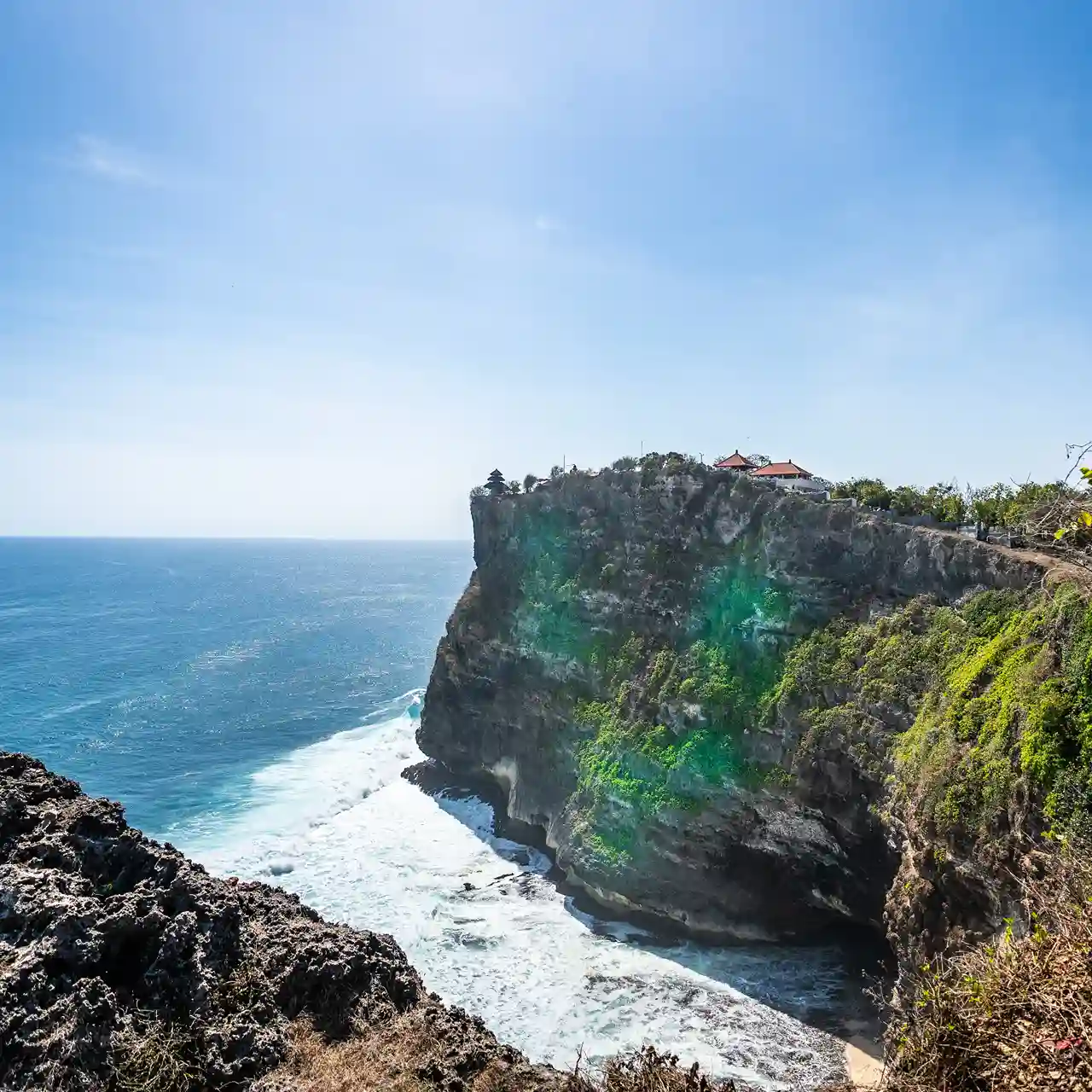
Visiting one of Bali’s thousands of temples (pura) is a requisite experience. Whether it’s the cliffside Pura Luhur Uluwatu or the serene Pura Tirta Empul, proper attire is non-negotiable. Both men and women are required to cover their legs and shoulders. This is achieved by wearing a sarong (a length of fabric wrapped around the waist) and a selendang (a temple sash tied around the waist). These items are usually available for rent at the temple entrance for a small fee or donation, typically between IDR 10,000 and IDR 25,000. The sash is spiritually significant, meant to separate the pure upper body from the impure lower body. Women who are menstruating are respectfully asked not to enter the temples. Remember that these are active places of worship, not mere tourist attractions. Maintain a quiet demeanor and never position yourself higher than a priest or sitting worshippers.
Social Graces: The Left Hand, the Head, and ‘Jam Karet’
Simple daily interactions are guided by established customs. The left hand is traditionally considered impure and should not be used to give or receive items, to eat, or to touch another person. Always use your right hand. The head is considered the most sacred part of the body, the seat of the soul. Avoid touching anyone’s head, including a child’s. Furthermore, pointing with the index finger is seen as aggressive; instead, use your thumb with the other fingers folded in. One of the biggest cultural adjustments for someone from Hong Kong is the concept of jam karet, or “rubber time.” Punctuality is not as rigid as it is in East Asia. A meeting set for 2:00 PM might not begin until 2:30 PM. This is not a sign of disrespect but a more fluid approach to time. Patience is more than a virtue here; it is a necessity.
Offerings and Ceremonies: Understanding Canang Sari
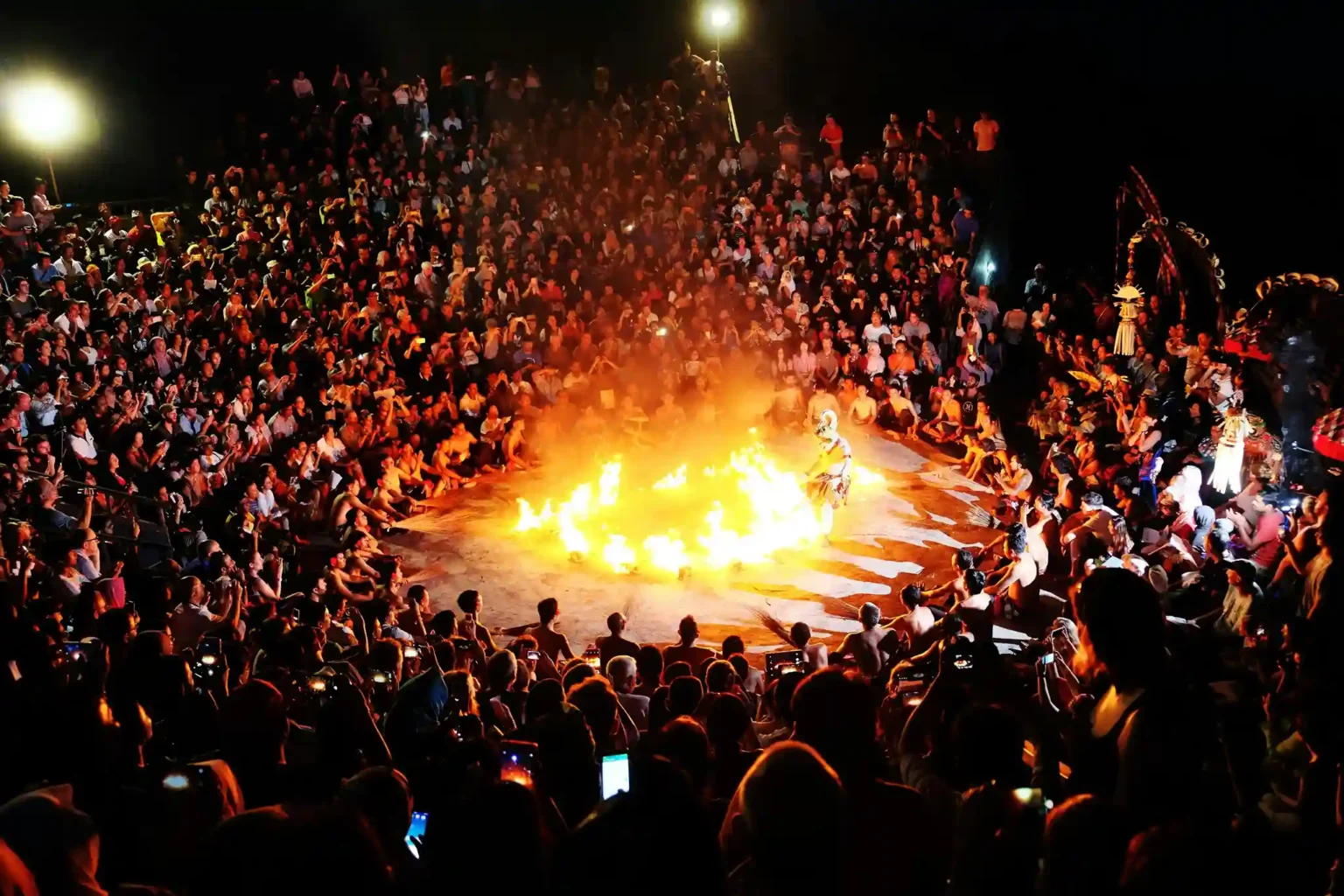
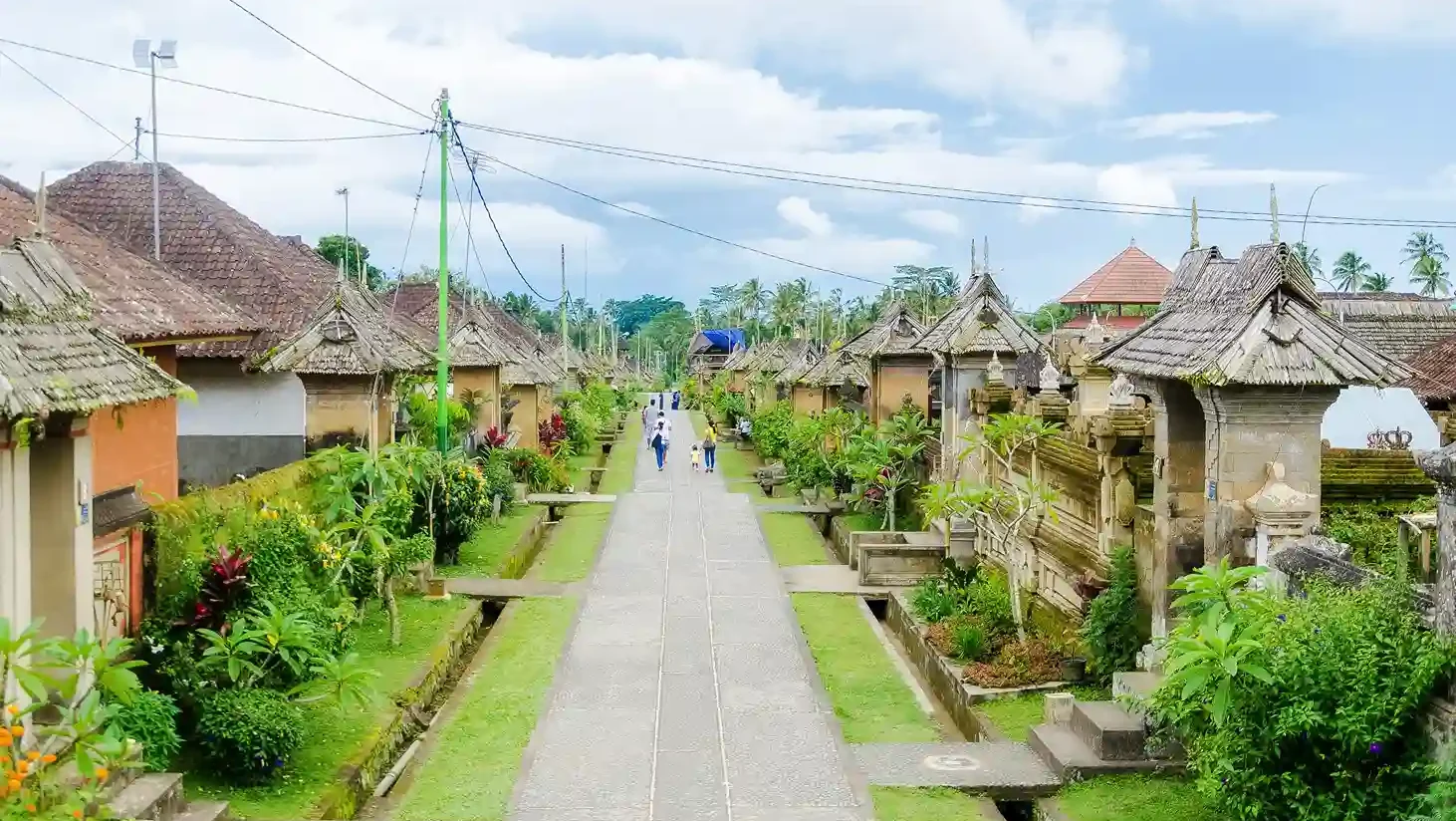
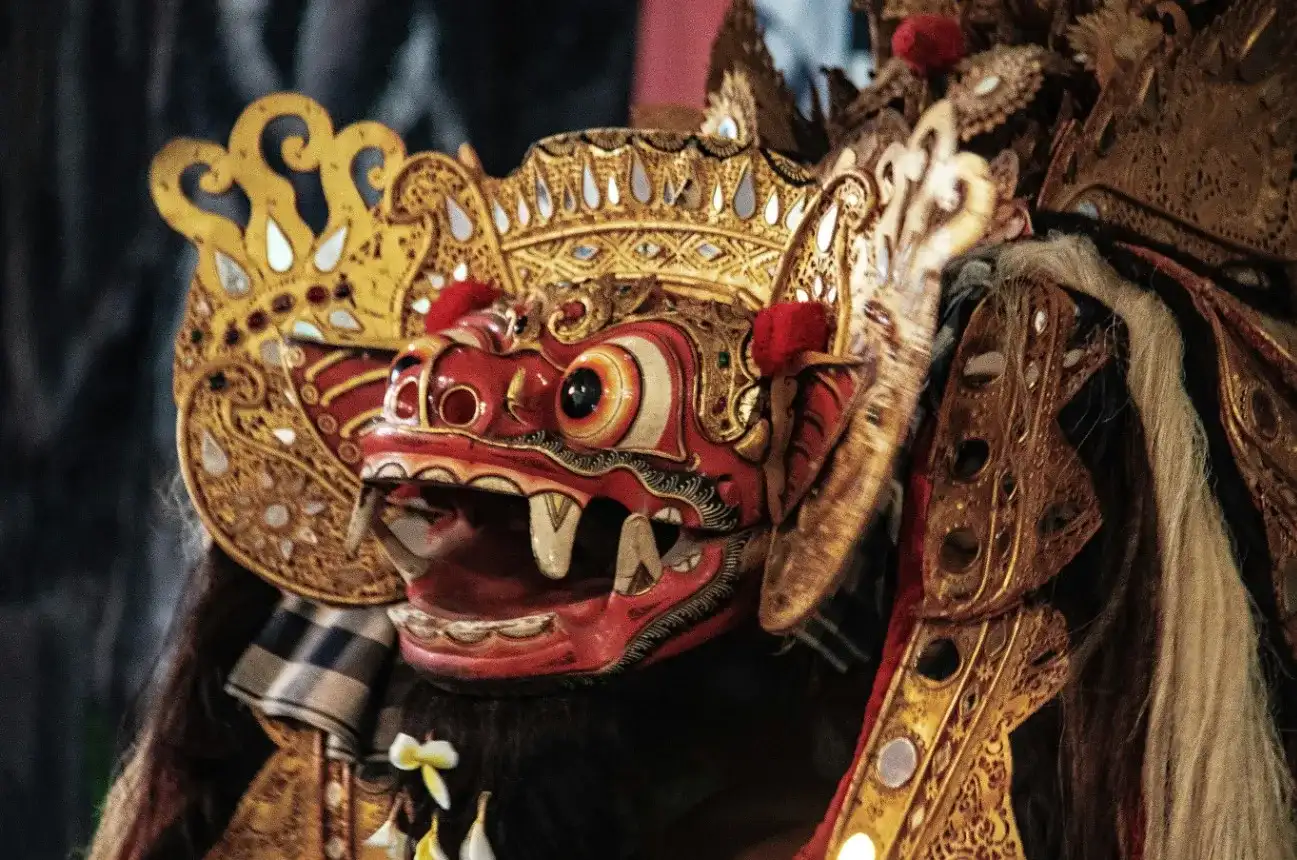
You cannot walk more than a few meters in Bali without encountering canang sari. These are the small, square-shaped offerings woven from young palm leaves and filled with flowers, rice, and incense. They are placed on sidewalks, in front of businesses, on dashboards, and at shrines multiple times a day as a gesture of gratitude to the gods. As Kadek Surya, a cultural guide from Ubud, explains, “The canang is a daily act of balancing the cosmos. It is a small sacrifice to maintain peace between the worlds of gods, humans, and demons.” Be mindful not to step on them. If you do so accidentally, a quiet apology is understood. If you encounter a street blocked for a ceremony—a common occurrence for weddings, funerals, or temple festivals—do not honk your horn. Simply wait, or find an alternative route. Witnessing these public displays of faith is a core part of the Bali from Hong Kong experience.
05 — 06
A Taste of the Island: A Food Guide for the Hong Kong Palate
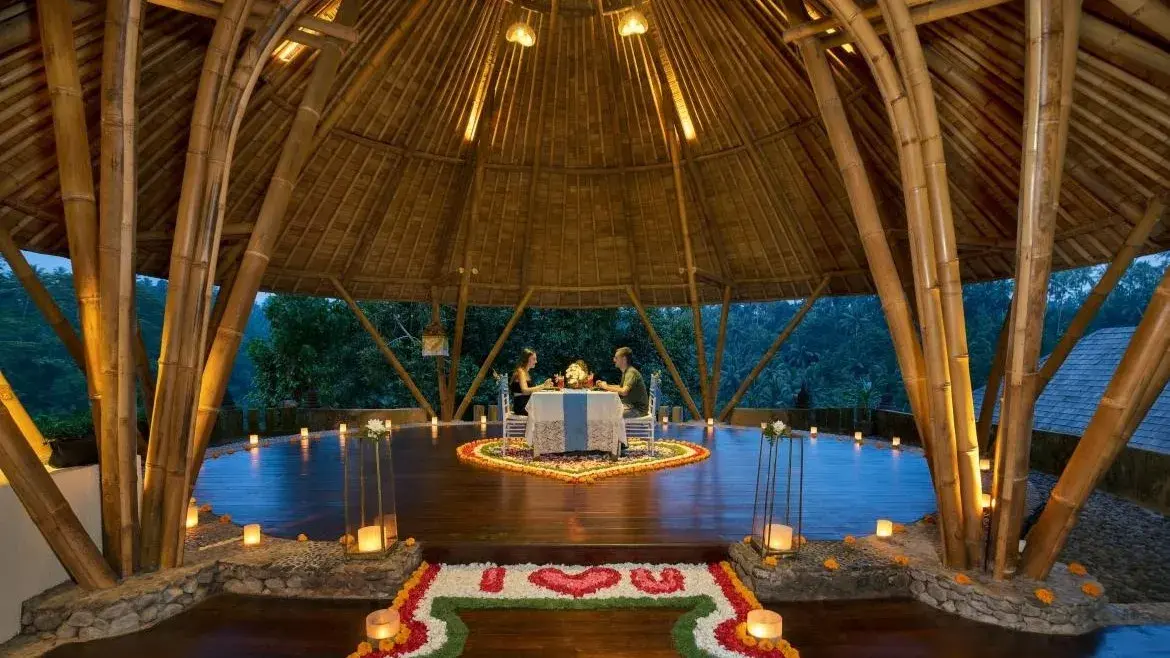
The culinary landscape of Bali is as rich and complex as its culture. While Hong Kong’s palate is defined by the precision of Cantonese cuisine and a world of international fine dining, Balinese food is characterized by bold, aromatic spice pastes (basa gede), communal eating, and ceremonial dishes. For the adventurous diner, trying babi guling (spit-roasted suckling pig) is essential. While the famed Ibu Oka in Ubud is a popular starting point, many local warungs offer their own versions, where the crisp skin and succulent meat offer a textural parallel to Cantonese siu yuk, but with a profoundly different flavor profile of turmeric, galangal, and chili. A full plate with rice and vegetables will cost around IDR 70,000 (USD 4.50).
For a more refined interpretation of Indonesian flavors, restaurants like Merah Putih or Bambu in Seminyak present traditional dishes in a sophisticated setting, with dinner for two costing upwards of USD 100-150. In contrast, the wellness-focused cafe scene in Canggu and Ubud offers a different perspective. Places like The Shady Shack in Canggu or Moksa in Ubud cater to a global audience with elaborate plant-based menus, a world away from the island’s traditional fare but a significant part of its modern identity. And for the coffee aficionado, Bali’s scene is twofold: you can try the traditional, thick, and sweet Kopi Bali at a local market, or explore the third-wave coffee shops like Revolver Espresso in Seminyak, which could easily be at home in Sheung Wan.
06 — 06
Planning a Weekend Trip: A Practical Itinerary from HK
A weekend trip from Hong Kong to Bali is an exercise in strategic planning. The goal is to balance relaxation with exploration without feeling rushed. Here is a template for a rewarding three-day escape:
- Friday Evening: Arrival and Coastal Immersion. Take an afternoon flight like Cathay Pacific’s CX785, landing at DPS in the evening. Arrange for a pre-booked car to take you to your accommodation in Seminyak or Canggu. Check in, and head out for a relaxed dinner at a beachfront restaurant like La Lucciola in Seminyak, known for its Italian-inflected menu and prime sunset location.
- Saturday: Surf, Culture, and Sunset. Start the day with a surf lesson on the rolling waves of Batu Bolong beach in Canggu (a two-hour private lesson costs around IDR 500,000 or USD 32). For lunch, experience a local warung. In the afternoon, travel to Pura Tanah Lot, the iconic temple on a rock formation, timing your visit for the dramatic sunset. In the evening, experience one of Bali’s beach clubs. Potato Head Beach Club in Seminyak is an institution; expect a minimum spend of around IDR 1,000,000 (USD 65) for a daybed.
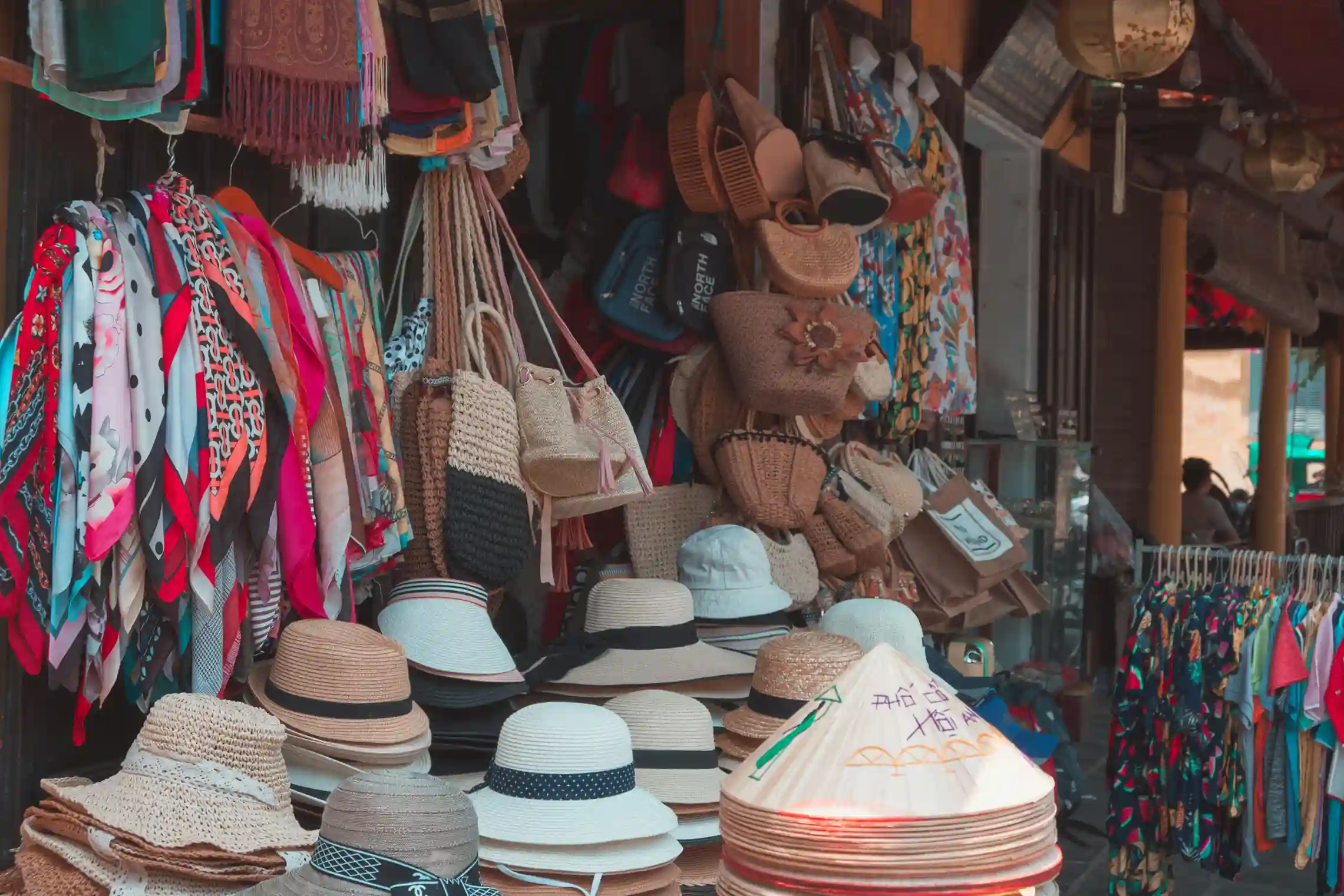
- Sunday: The Green Heart of Bali and Departure. Check out of your hotel but have them store your luggage. Take an early car to the Ubud area (around a 90-minute drive). Visit the Tegalalang Rice Terraces before 9:00 AM to avoid the largest crowds and the harshest sun. Afterward, explore the Ubud Art Market for souvenirs before having a final Balinese lunch. Head back towards the airport in the mid-afternoon, allowing ample time for the journey, and catch an evening flight like Hong Kong Airlines HX706 back to HKG.
Pre-Departure Checklist
- Confirm passport validity (minimum 6 months).
- Consider applying for the e-VoA online to save time.
- Inform your bank of your travel dates to avoid card issues.
- Exchange a small amount of HKD for IDR for immediate needs.
- Download offline maps and ride-hailing apps (Gojek, Grab).
A trip to Bali from Hong Kong offers a profound change of pace and perspective. By understanding the cultural context and handling the practicalities with awareness, your visit can transform from a simple holiday into a richer, more engaging experience. It’s an opportunity to trade the city’s vertical climb for the island’s spiritual horizon.
Frequently Asked Questions
5 answersHow long is the flight from Hong Kong to Bali?
The direct flight from Hong Kong (HKG) to Denpasar (DPS) takes about five hours. Cathay Pacific’s CX785 departs in the afternoon and lands just before 8:00 PM local time; Hong Kong Airlines HX706 is an evening service that suits a Sunday return.
Is there a time difference between Hong Kong and Bali?
No. Bali runs on Indonesia Central Time (WITA), UTC+8 — the same as Hong Kong. There is no jet lag in either direction, which is what makes a weekend trip workable.
What should I wear when visiting a Balinese temple?
Both men and women must cover their legs and shoulders. You wear a sarong around the waist and a selendang (temple sash) tied over it. Both are normally available to rent at the temple entrance for IDR 10,000–25,000.
How much cash should I carry in Bali as a Hong Kong visitor?
Cards are fine at hotels, upscale restaurants and boutiques in Seminyak and Canggu, but you need Rupiah for warungs, markets, temple donations and taxis. Exchange roughly HKD 500 on arrival for immediate costs, then use an authorised money changer in town for larger sums.
What is canang sari and what should I do when I see one?
Canang sari are the small woven palm-leaf offerings placed on sidewalks, shrines and shopfronts several times a day. Step around them rather than over them. If a street is closed for a ceremony, wait or take another route — never sound your horn.
Next step
Have us book the whole weekend.
Send your dates and the style you want — Seminyak, Ubud or Uluwatu. We handle flights, villa, driver and the VOA paperwork, and you land to someone holding your name.
Keep reading
Hong Kong — Bali Hong Kong Passport Visa Bali — VOA, Duration, Extension
The transition is a study in contrasts. One moment, the cool, conditioned air of a Cathay…
Hong Kong Passport Visa Bali — VOA, Duration, Extension
The transition is a study in contrasts. One moment, the cool, conditioned air of a Cathay…
 Currency HKD to IDR Bali — Conversion, ATMs, Card Use
The transition from the dense verticality of Hong Kong to the sprawling horizontal green of Bali…
Currency HKD to IDR Bali — Conversion, ATMs, Card Use
The transition from the dense verticality of Hong Kong to the sprawling horizontal green of Bali…
 Hong Kong to Bali Flight Schedules: Morning, Evening & Overnight Departures
Morning flights from Hong Kong to Bali typically depart between 07:00 and 11:00, offering arrivals in…
Hong Kong to Bali Flight Schedules: Morning, Evening & Overnight Departures
Morning flights from Hong Kong to Bali typically depart between 07:00 and 11:00, offering arrivals in…