Best Hong Kong to Bali Cultural Experiences 2027 Outside Typical Tourist Areas

Story — Travel Journal
For Hong Kong visitors seeking authentic Bali in 2027, the best cultural experiences lie beyond the usual beach resorts. Focus on areas like Sidemen, Munduk, and Tabanan for traditional village life, ancient temples such as Pura Ulun Danu Beratan, and local ceremonies, ensuring a deeper connection to the island’s heritage.
Best Hong Kong to Bali Cultural Experiences 2027 Outside Typical Tourist Areas
As we look to 2027, travellers from Hong Kong are increasingly seeking more than just Bali’s beautiful coastlines. The island’s rich spiritual heritage, traditional arts, and community life offer profound experiences for those willing to venture slightly off the well-trodden path. This guide focuses on what are must-see cultural sites in Bali for Hong Kong visitors 2027, providing insights into an enriching journey beyond the typical tourist areas.
While Kuta and Seminyak offer vibrant nightlife and dining, the true essence of Bali, its culture and spirituality, is found in its interior and less commercialised regions. Hong Kong to Bali cultural tour packages are evolving to meet this demand, integrating visits to traditional villages, ancient temples, and local craft centres.
Exploring Bali’s Spiritual Heart: Temples and Ceremonies in 2027
Bali is often called the ‘Island of a Thousand Temples’, and for good reason. These sacred sites are integral to daily Balinese life and Hindu traditions. While Tanah Lot and Uluwatu are iconic, several other temples provide a more intimate cultural experience for 2027 visitors.
- Pura Ulun Danu Beratan (Bedugul): Located on Lake Bratan, this picturesque water temple is a significant site for the Balinese. Its serene setting, often shrouded in mist, offers a tranquil experience far removed from coastal crowds. Consider visiting early in the morning for the most peaceful atmosphere.
- Tirta Empul Temple (Manukaya): Famous for its holy spring water, where Balinese Hindus go for ritual purification. Participating or observing the purification ritual (melukat) can be a deeply moving experience, respecting local customs.
- Goa Gajah (Elephant Cave): Near Ubud, this 9th-century archaeological site features a cave entrance carved to resemble a demonic mouth. Inside, visitors find Hindu and Buddhist relics, including a statue of Ganesha.
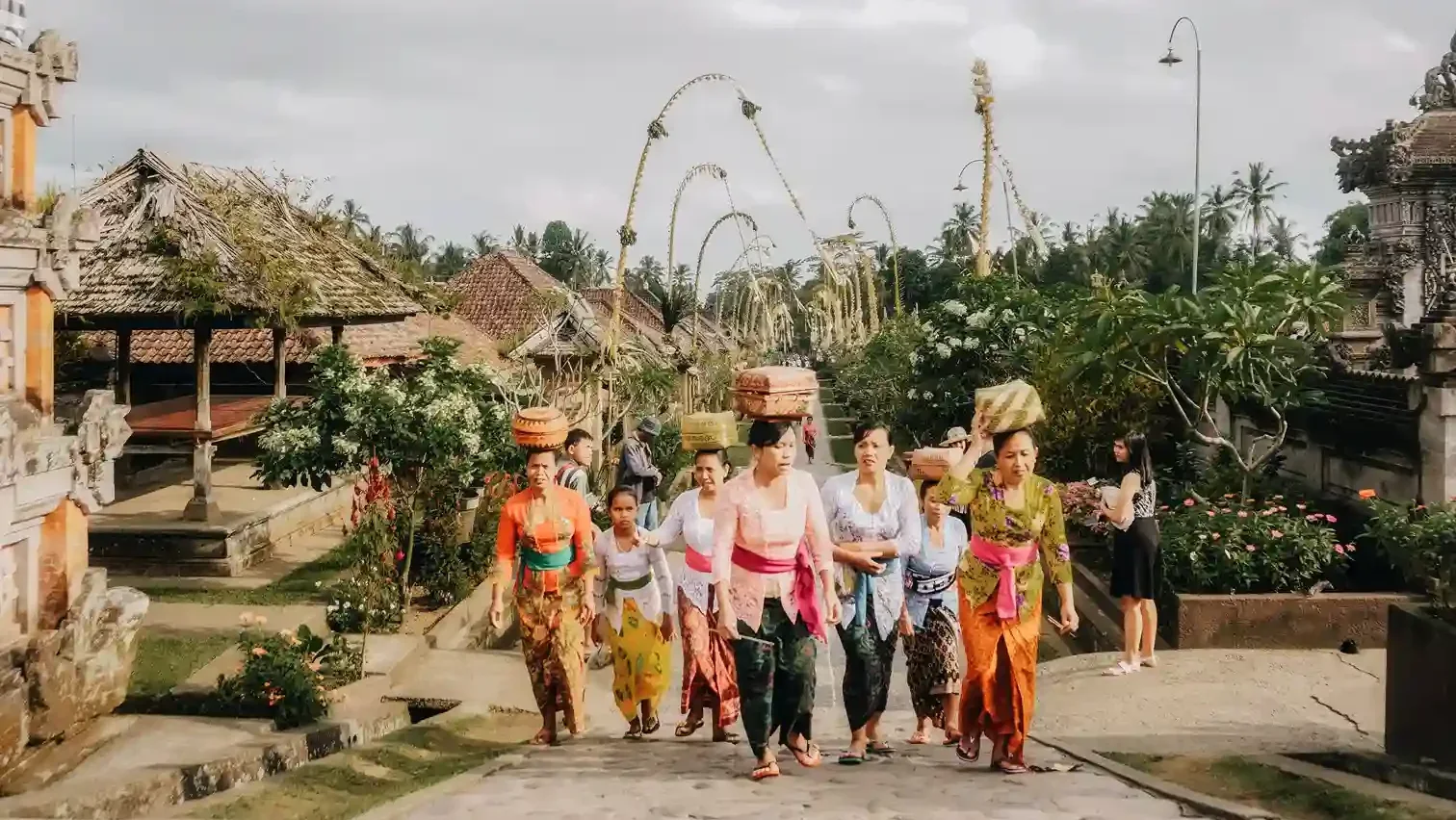
Attending a local ceremony, such as a temple festival (odalan) or a cremation ceremony (ngaben), if the opportunity arises, offers an glimpse into Balinese community life and spiritual beliefs. These events are not staged for tourists but are genuine expressions of faith and tradition. Always dress respectfully (sarong and sash are usually required) and maintain a quiet demeanour.
Traditional Arts and Crafts: Learning from Local Artisans in 2027
Bali’s artistic heritage is profound, with skills passed down through generations. Beyond the tourist markets, there are opportunities to engage directly with artisans and learn about their crafts, a key component of many Hong Kong to Bali cultural tour packages.
Ubud remains a centre for arts, but venturing into smaller villages can offer more authentic encounters. For instance, the village of Celuk is renowned for its silversmiths, while Mas is famous for wood carving. Visitors can often observe artisans at work or even participate in workshops.
Bali Art Villages Snapshot 2027
| Village/Area | Primary Craft Focus | Cultural Experience |
|---|---|---|
| Celuk | Silver and Gold Jewellery | Observe intricate metalworking, participate in jewellery making workshops. |
| Mas | Wood Carving | Watch master carvers, learn about traditional Balinese motifs. |
| Batubulan | Stone Carving, Barong Dance | Witness skilled stone sculptors, attend daily Barong and Kris dance performances. |
| Sidemen Valley | Traditional Weaving (Endek) | See traditional looms, learn about natural dyes and intricate patterns. |
These experiences provide not just souvenirs, but a deeper understanding of the craftsmanship and cultural stories behind each piece. When planning your journey, consider exploring Bali’s interior for these enriching encounters.
Culinary Culture: Taste of Bali Beyond the Restaurants in 2027
Balinese cuisine is a vibrant part of its culture, distinct from other Indonesian fares. Beyond the popular tourist restaurants, engaging with local food culture offers a genuine taste of the island.
Consider taking a Balinese cooking class, often held in a traditional village setting, where you can learn to prepare dishes like sate lilit, nasi campur, and various curries using fresh local ingredients. Many classes include a visit to a local market, which is a cultural experience in itself, showcasing the island’s abundant produce and spices.
For those interested in agriculture, visiting a coffee plantation, particularly one growing Kopi Luwak, or exploring rice paddies, especially the UNESCO-listed Jatiluwih Rice Terraces, provides insight into Bali’s agricultural heritage and the Subak irrigation system, a traditional cooperative water management system that reflects deep philosophical and spiritual values.
Rural Life and Nature: Sidemen, Munduk, and Beyond in 2027
To truly escape the tourist crowds and experience authentic Balinese village life, regions like Sidemen in East Bali or Munduk in the north offer serene landscapes and cultural immersion. These areas are ideal for Hong Kong visitors seeking tranquility and connection with nature in 2027.
Sidemen Valley, with its verdant rice fields, traditional weaving villages, and views of Mount Agung, provides a glimpse into a slower pace of life. Here, you can trek through rice paddies, visit local schools, or simply enjoy the peaceful surroundings. Munduk, in the highlands, is known for its coffee plantations, waterfalls, and hiking trails, offering cooler temperatures and stunning natural beauty.
Engaging with local communities through homestays or village tours can provide invaluable insights into daily routines, family structures, and the traditional values that underpin Balinese society. This is where the best Hong Kong to Bali cultural experiences 2027 outside typical tourist areas truly come alive. For flexible travel, securing flexible and refundable Hong Kong to Bali flight tickets for 2027 is advisable, allowing for spontaneous exploration.
2027 Note: While specific event dates for 2027 are still being confirmed, the Bali Arts Festival typically runs from mid-June to mid-July. Keep an eye on local tourism boards for confirmed schedules. August often features the Bali Marathon, attracting international participants. Planning your trip around these cultural events can significantly enhance your experience.
FAQ
What unique cultural experiences can I find in Bali beyond the main tourist hubs in 2027?
Beyond the main tourist hubs in 2027, Hong Kong visitors can find unique cultural experiences in areas like Sidemen, known for traditional weaving and rice paddies; Munduk, offering authentic village life and coffee plantations; and Bedugul, home to the serene Pura Ulun Danu Beratan water temple. These regions provide opportunities for traditional cooking classes, engaging with local artisans, and observing genuine Balinese ceremonies, offering a deeper insight into the island’s heritage away from the crowded resorts.
Are there specific Hong Kong to Bali cultural tour packages available for 2027 that focus on these experiences?
Yes, as interest in authentic travel grows, several tour operators are now offering Hong Kong to Bali cultural tour packages for 2027 that specifically focus on these experiences. These packages often include visits to artisan villages like Celuk for silversmiths, Mas for woodcarving, and Batubulan for stone carving and Barong dance performances. They also frequently incorporate cooking classes, temple visits beyond the major sites, and stays in more rural, culturally rich areas like Sidemen or Munduk, providing a comprehensive immersion into Balinese traditions.
What is the best time to visit Bali in 2027 for cultural events and fewer crowds?
For cultural events and fewer crowds in 2027, the best time to visit Bali is during the shoulder seasons: April to May or September to October. These months offer pleasant weather, lower humidity, and fewer tourists compared to the peak dry season (June-August). Additionally, these periods often coincide with various local temple festivals (odalan) and the tail ends of the Bali Arts Festival (typically mid-June to mid-July), allowing for rich cultural immersion without the intense crowds or higher prices of the absolute peak season. Avoid the wet season (November-March) for outdoor cultural activities due to frequent rain.
Related stories
6 articles · Travel Journal Best Hong Kong to Bali Stopover Options 2027: Singapore vs. Kuala Lumpur
For Hong Kong to Bali flights in 2027, Singapore generally offers a more efficient and premium…
Best Hong Kong to Bali Stopover Options 2027: Singapore vs. Kuala Lumpur
For Hong Kong to Bali flights in 2027, Singapore generally offers a more efficient and premium…
 Avoiding Rainy Season: Best Hong Kong to Bali Travel Dates 2027
The best Hong Kong to Bali travel dates 2027 to avoid the rainy season in Bali…
Avoiding Rainy Season: Best Hong Kong to Bali Travel Dates 2027
The best Hong Kong to Bali travel dates 2027 to avoid the rainy season in Bali…
 Navigating Bali Transport 2027: From Denpasar Airport to Your Villa
Getting around Bali from Denpasar Airport in 2027 offers various options, with ride-hailing apps like Grab…
Navigating Bali Transport 2027: From Denpasar Airport to Your Villa
Getting around Bali from Denpasar Airport in 2027 offers various options, with ride-hailing apps like Grab…
 Surfing Bali 2027: Hong Kong Intermediate Surfer’s Guide
For the best hongkongtobali surf trip 2027 for intermediate surfers, focus on Bali’s dry season (April…
Surfing Bali 2027: Hong Kong Intermediate Surfer’s Guide
For the best hongkongtobali surf trip 2027 for intermediate surfers, focus on Bali’s dry season (April…
 Packing Smart for Bali 2027: The Essential Hong Kong Traveler’s Checklist
For your Hong Kong to Bali trip in 2027, pack light, breathable clothing, swimwear, sun protection…
Packing Smart for Bali 2027: The Essential Hong Kong Traveler’s Checklist
For your Hong Kong to Bali trip in 2027, pack light, breathable clothing, swimwear, sun protection…
 Health & Safety Tips for Your Hong Kong to Bali Trip in 2027
For a healthy and safe Hong Kong to Bali trip in 2027, prioritise comprehensive travel insurance…
Health & Safety Tips for Your Hong Kong to Bali Trip in 2027
For a healthy and safe Hong Kong to Bali trip in 2027, prioritise comprehensive travel insurance…