
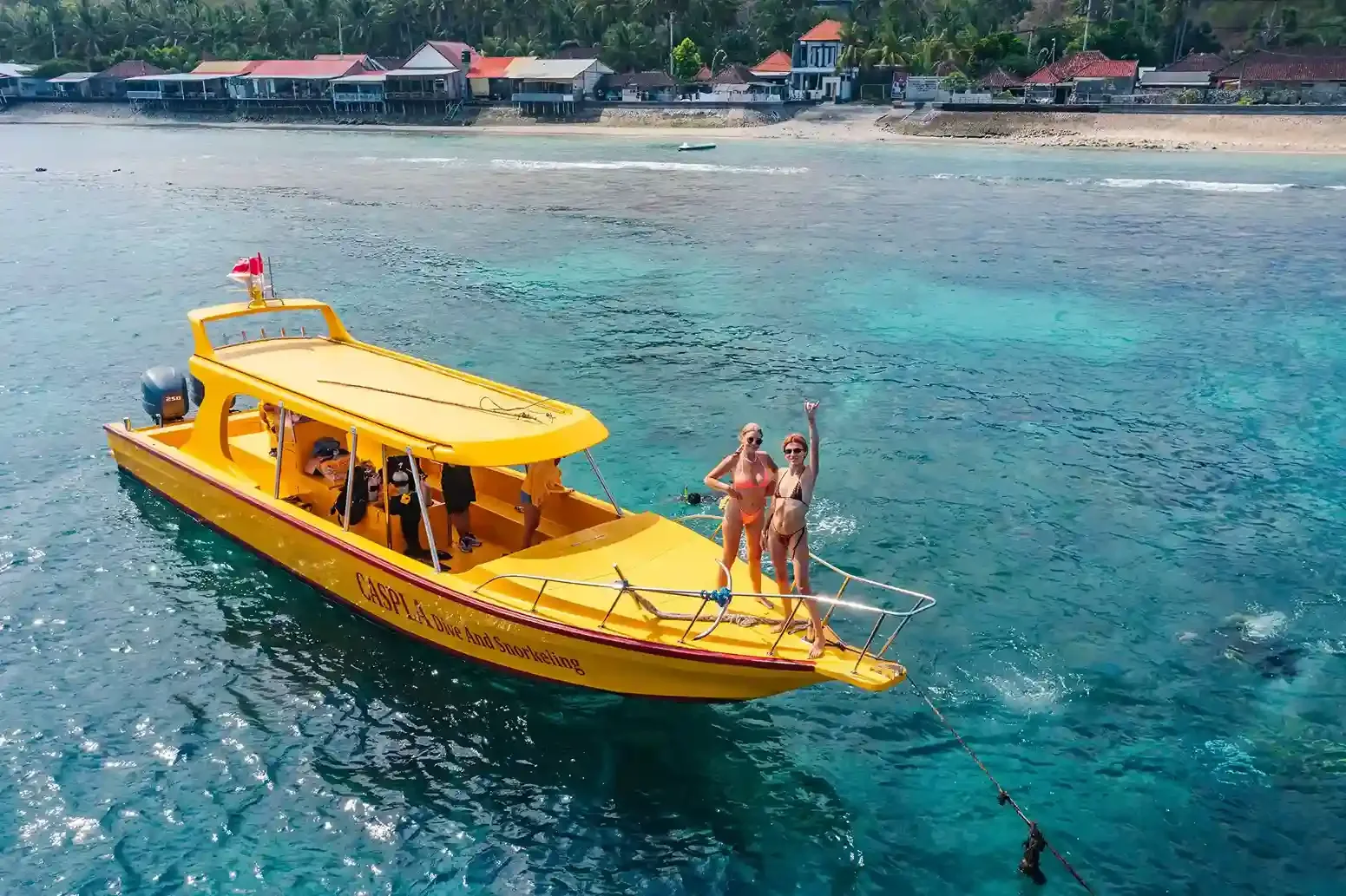
Visiting Bali from Hong Kong in July: A Luxury Guide

Story — Uncategorized
- Optimal Weather: July is Bali’s driest month, receiving less than 50mm of rainfall, ensuring sun-filled days.
- Direct Access: The direct flight from Hong Kong (HKG) to Denpasar (DPS) is approximately 5 hours and 10 minutes.
- Peak Activity Season: It’s the prime time for diving, surfing world-class breaks, and attending vibrant local festivals.
The air that greets you is a world away from the familiar hum of Central’s air conditioners. It’s thick with the sweet perfume of frangipani and the subtle, spicy aroma of clove incense drifting from a nearby canang sari offering. A faint, percussive melody from a distant gamelan ensemble hangs in the warm, dry air. You have arrived. Swapping Hong Kong’s intense July humidity for Bali’s gentle, sun-drenched peak season is more than a vacation; it is a full-sensory recalibration. The five-hour flight dissolves the 3,450 kilometers between two distinct island worlds, delivering you to a place where time itself seems to adopt a more graceful rhythm. For the discerning traveler, this is the moment the escape truly begins.
The July Advantage: Navigating Bali’s Peak Season from Hong Kong
While many travelers shy away from the term “peak season,” for Bali in July, it translates to “peak performance.” This is when the island is at its most vibrant and visually arresting. The weather is the primary draw. July is statistically the driest month of the year, with an average of just 4 days of rain and a total precipitation of around 40mm. Compare this to Hong Kong’s tumultuous summer, and the appeal is immediate. Humidity hovers at a comfortable 75%, and the sun shines for nearly 12 hours a day, providing an expansive canvas for exploration. This perfect climate means rice paddies are at their most verdant, and the ocean visibility for diving and snorkeling around Menjangan or Amed is at its absolute best, often exceeding 30 meters. The energy is palpable, fueled by a cosmopolitan mix of visitors, but it is a festive, not frantic, atmosphere. According to Claire Parsons, a travel consultant with Black Tomato, “The key to a superlative July experience in Bali is advance planning. We advise our Hong Kong clients to secure their villas and key dinner reservations at least six months out.” This is especially true for flights on Cathay Pacific or Hong Kong Airlines, where prices can escalate by as much as 40% for last-minute bookings. Planning ahead transforms peak season from a challenge into an opportunity, ensuring your journey from hong kong to bali is seamless.
Your Arrival: Seamless Transitions from Ngurah Rai to Seclusion
The transition from aircraft to private sanctuary should be an extension of the luxury experience, not an interruption. While Ngurah Rai International Airport (DPS) is efficient, the queues at immigration during a July peak can be formidable. This is where insider knowledge becomes indispensable. I always recommend a VIP arrival service, such as the one offered by an airport concierge. For a fee starting around 550,000 IDR (approximately 275 HKD) per person, an agent meets you at your gate, escorts you to a private lounge, and handles all immigration and customs formalities while you enjoy a cool drink. Your luggage is collected and waiting for you by the time your pre-booked private transfer is ready. This service cuts down the airport transit time from a potential 90 minutes to a mere 20. For ground transport, a pre-arranged vehicle is non-negotiable. A luxury SUV or a Toyota Alphard, perfect for families and their luggage, can be secured for around 700,000 IDR for a transfer to Seminyak or 900,000 IDR for the longer journey to Uluwatu’s cliff-tops. This foresight allows you to bypass the airport’s taxi counter entirely and begin your decompression immediately. The drive itself is an introduction to the island’s geography: the bustling streets leading to Seminyak (a 30-minute drive, traffic permitting), the verdant hills on the 90-minute journey to Ubud, or the dramatic coastal roads winding towards Uluwatu, about 45 minutes south.
Curated Stays: Beyond the Standard Five-Star Hotel
In Bali, luxury accommodation transcends the conventional hotel. The island’s most coveted stays are private, fully-staffed villas that offer a level of seclusion and personalized service that is difficult to replicate. In Uluwatu, along the dramatic limestone cliffs often dubbed “Billionaire’s Row,” properties like The edge redefine the villa experience. Its five-bedroom villa, The View, features a private cinema, a wine cellar, and a now-iconic glass-bottom sky pool that extends 6.5 meters over the Indian Ocean. A stay here in July starts at over $4,000 USD per night. For those seeking spiritual and physical rejuvenation, the destination is Ubud’s COMO Shambhala Estate. This is not merely a hotel but a residential health retreat set in 23 acres of jungle terrain. Guests engage in bespoke wellness programs, costing upwards of $1,500 USD per day, that include consultations with Ayurvedic doctors, private yoga instruction, and nutritionally tailored meals. In the chic enclaves of Seminyak and Canggu, the trend leans toward expansive, architecturally significant private residences. Companies like Elite Havens manage a portfolio of these properties, such as the Noku Beach House, a six-bedroom beachfront estate with a rooftop terrace and a dedicated staff of 25. For many Hong Kong families, a 4-bedroom villa with a private pool, chef, and driver, costing around $2,500 USD per night, is the ultimate base for an island escape. The official Indonesian tourism board provides further resources for exploring these high-end rental options.
Gastronomy and Nightlife: A Reserved Table Awaits
Bali’s culinary landscape has evolved into a world-class destination that commands the attention of global gourmands. Securing a reservation at the island’s top tables in July requires the same foresight as booking your villa. In Ubud, the recently reimagined Locavore NXT offers a multi-course tasting menu that is a radical exploration of Indonesian ingredients, with bookings essential months in advance. A dinner here is an event, priced from 2,100,000 IDR per person. For a different kind of culinary theatre, consider a reservation at Aperitif Bar & Restaurant, where the 1920s-inspired decor and degustation menus create a transportive experience. The beach club scene, once a simple affair, has also ascended to new levels of sophistication. While popular spots draw crowds, the VIP experience at venues like Finns VIP Beach Club in Canggu offers exclusivity. A private “Platinum” cabana here carries a minimum spend of 12,000,000 IDR, which includes premium bottle service and dedicated staff. For a more refined sundowner, the Rock Bar at AYANA Resort remains an architectural marvel, but discerning travelers might prefer the intimate cliff-side setting of El Kabron Spanish Restaurant. As night falls, the island’s cocktail culture comes alive. “The mixology in Bali is incredibly inventive,” says Hong Kong-based bar consultant Agung Prabowo. “Bartenders at places like The Shady Fox in Pererenan are using local botanicals like torch ginger and snake fruit to create truly unique flavor profiles that you won’t find anywhere else.”
Bespoke Experiences: Culture and Adventure, Refined
The true luxury of a Balinese holiday lies in accessing private, meaningful experiences that connect you to the island’s soul, far from the tour buses. Instead of joining the crowds at major temples, arrange for a private purification ceremony, or “melukat,” at a smaller, local water temple like Sebatu. A trusted local guide can facilitate this, coordinating with a village priest for an authentic spiritual encounter that costs around 3,000,000 IDR for a small group. For a deeper understanding of Bali’s unique agrarian culture, a private walking tour of the Jatiluwih rice terraces, part of the Subak system and a UNESCO World Heritage site, with a cultural historian provides context that transforms the view from a simple photo opportunity into a profound lesson in cooperative irrigation. Adventure, too, can be curated for privacy and comfort. Charter a private phinisi-style yacht, like the 30-meter ‘Dunia Baru’, for a day trip to the pristine waters of Nusa Lembongan. A full-day charter for up to 10 guests can range from $5,000 to $10,000 USD, including a private chef, divemaster, and water sports equipment. This allows you to snorkel with manta rays at Manta Point before the larger tour boats arrive. The journey from Hong Kong to Bali is often about decompression, and these experiences are central to that. Our direct flight guide can help you plan the logistics of this essential escape.
Quick FAQ: Your Bali Questions, Answered
Q: What is the currency and how should I handle money?
A: The official currency is the Indonesian Rupiah (IDR). As of mid-2024, the exchange rate is roughly 1 HKD to 2,000 IDR. High-end establishments universally accept major credit cards, but carrying a reasonable amount of cash is essential for local markets, small cafes, and gratuities. Using a card like Revolut or Wise can help avoid excessive bank fees.
Q: Is a visa required for Hong Kong SAR passport holders?
A: Hong Kong SAR passport holders are granted visa-free entry for tourism purposes for a period of up to 30 days. This is a simple stamp on arrival. However, immigration laws can change, so it is always prudent to verify the latest requirements with the Indonesian Consulate General in Hong Kong before your departure.
Q: What is the appropriate attire for temples and fine dining?
A: When visiting any Balinese temple (pura), modesty is paramount. Both men and women are required to cover their shoulders and knees. A sarong and sash are mandatory; these are usually available to rent at the entrance for a small donation (around 10,000 IDR). For Bali’s upscale restaurants and beach clubs, the dress code is typically “smart casual.” This means no athletic wear, tank tops, or flip-flops in the evening.
Q: How is the mobile connectivity for remote work?
A: Mobile and data connectivity are surprisingly robust in Bali’s main tourist centers. Upon arrival at DPS, you can purchase a tourist SIM card from a provider like Telkomsel. A 30-day package with 35GB of data costs approximately 200,000 IDR, offering a far more stable and cost-effective solution than international roaming for staying connected or handling business matters.
A July sojourn in Bali is an exercise in perfectly timed indulgence. It is an escape from Hong Kong’s oppressive humidity to a climate designed for pure enjoyment, where world-class luxury is infused with profound cultural spirit. The vibrant energy of the peak season, when managed with foresight, only adds to the allure, ensuring every experience, from a private temple blessing to a cliff-top dinner, is operating at its highest caliber. The five-hour flight is a small investment for a world of profound rejuvenation. For those planning their escape, our complete hong kong to bali travel hub offers more insider guides and booking advice. Let us help you craft your perfect Indonesian sojourn.
Related stories
6 articles · Uncategorized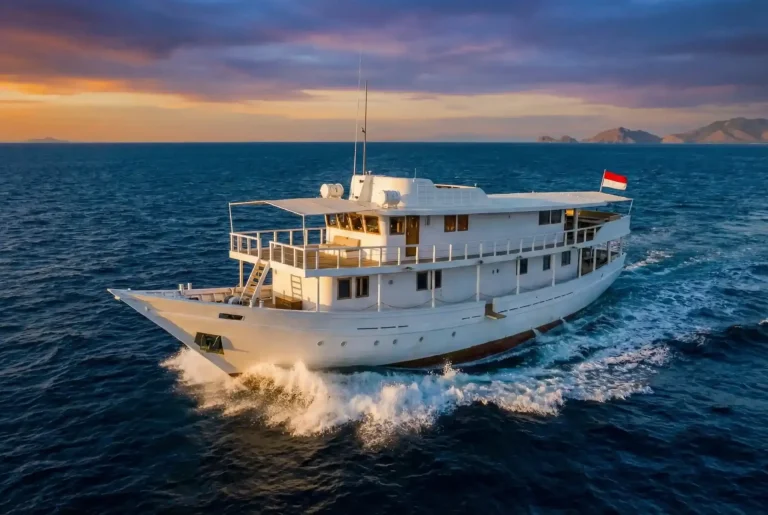 A 2027 Guide to Luxury Komodo Sailing (Part 14)
Discover the breathtaking beauty of Komodo National Park in 2027 with our insider’s guide to luxury…
A 2027 Guide to Luxury Komodo Sailing (Part 14)
Discover the breathtaking beauty of Komodo National Park in 2027 with our insider’s guide to luxury…
 Snorkeling Komodo on a Tour from Bali: Where and What You’ll See
If you’re seeking an underwater paradise, a snorkeling tour from Bali to Komodo National Park promises…
Snorkeling Komodo on a Tour from Bali: Where and What You’ll See
If you’re seeking an underwater paradise, a snorkeling tour from Bali to Komodo National Park promises…
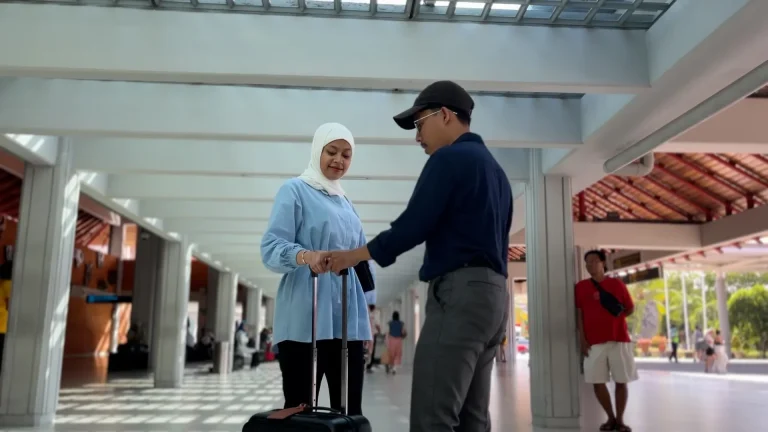 Bali Customs Clearance & Tourism Regulations: Essential 2027 Guide
For 2027, Bali customs clearance is free of charge, with the Customs Declaration Form mandatory and…
Bali Customs Clearance & Tourism Regulations: Essential 2027 Guide
For 2027, Bali customs clearance is free of charge, with the Customs Declaration Form mandatory and…
 Hong Kong to Bali Business Class Flight Price Guide 2027
The average round-trip Hong Kong to Bali business class flight price in 2024 ranges from HK$10,000…
Hong Kong to Bali Business Class Flight Price Guide 2027
The average round-trip Hong Kong to Bali business class flight price in 2024 ranges from HK$10,000…
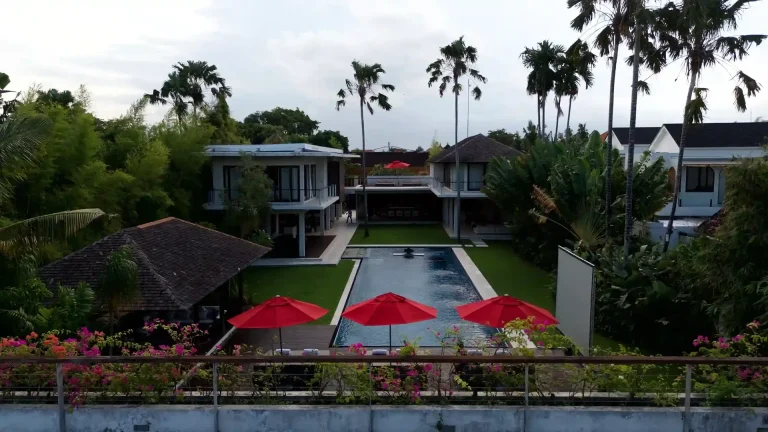 How Much Does a Luxury Trip from Hong Kong to Bali Cost?
A luxury trip from Hong Kong to Bali for two people for one week costs between…
How Much Does a Luxury Trip from Hong Kong to Bali Cost?
A luxury trip from Hong Kong to Bali for two people for one week costs between…
 A 7-Day Luxury Itinerary for a Trip to Bali from Hong Kong
A 7-day luxury trip to Bali from Hong Kong involves a curated journey through the island’s…
A 7-Day Luxury Itinerary for a Trip to Bali from Hong Kong
A 7-day luxury trip to Bali from Hong Kong involves a curated journey through the island’s…