
Best Time for Hong Kong to Bali Travel Guide
Guide — Best Time for Hong Kong to Bali Travel Guide
Choosing the best time for your hong kong to bali journey depends on your priorities: immaculate sunshine, vibrant festivals, or serene, uncrowded moments. Generally, the dry season from April to October offers ideal weather, calm seas, and abundant outdoor activities. However, shoulder seasons and even the wet season present unique advantages, from lush landscapes to exceptional value and fewer fellow discerning travelers.
- Dry Season (May-September): Predictable sunshine, optimal for beaches, diving, and volcano treks.
- Shoulder Seasons (April & October): Excellent weather, fewer crowds, and better pricing for luxury accommodations.
- Wet Season (November-March): Verdant scenery, lower rates, and often clear mornings before afternoon showers.
Imagine the transition: leaving the kinetic energy of Hong Kong’s skyscraper canyons, the humid city air still clinging, and stepping onto Bali’s tarmac where the first breath is a fragrant blend of frangipani, clove, and salt. The air is warm, a gentle caress, promising days of sun-drenched indulgence and emerald landscapes. But when, precisely, does this tropical dream manifest in its most exquisite form? optimal window for your hong kong to bali escape requires a nuanced understanding of seasonality, from the whisper of trade winds to the ebb and flow of global luxury travelers. This guide illuminates each month, revealing the weather, marine conditions, crowd dynamics, and pricing windows, ensuring your bespoke Indonesian journey unfolds flawlessly.
January-February: Monsoon’s Embrace, Serene Escapes
The new year in Bali ushers the wet season, yet this period often surprises with its distinct charm for those seeking a more intimate experience. While daily afternoon showers are common – typically brief, intense deluges that refresh the air – mornings frequently unveil clear skies and brilliant sunshine. Average temperatures hover around 27°C (81°F), with humidity levels often reaching 85%, painting the island in vivid shades of green. The rice terraces, particularly around Ubud, shimmer with an almost supernatural vibrancy, reflecting the soft light. This is an opportune time for spa retreats, cooking classes focused on Balinese cuisine, and exploring the island’s rich cultural without the usual throngs.
Marine conditions during January and February can be variable. The west coast beaches, like Seminyak and Canggu, might experience stronger currents and more debris washed ashore, making swimming less appealing. However, the east coast and northern dive sites, such as Amed and Tulamben, often remain excellent for diving and snorkeling, offering visibility of up to 20 meters, particularly for macro photography enthusiasts exploring the USS Liberty shipwreck. Luxury resorts often present compelling packages during this period, with room rates potentially 25-30% lower than peak season, making high-end experiences more accessible. Flights from Hong Kong also see a dip in demand post-holiday rush, offering better value. Expect fewer crowds at popular temples like Tanah Lot and Uluwatu, allowing for more contemplative visits. Average monthly rainfall can reach 300mm, but these are often concentrated downpours, leaving ample time for exploration.
March-April: The Shifting Winds, Shoulder Season’s Promise
As March unfolds, Bali begins its graceful transition from the wet to the dry season. The intense rains of January and February start to subside, replaced by more intermittent showers and longer stretches of brilliant sunshine. Average temperatures rise slightly to 28°C (82°F), and humidity gradually lessens. This shoulder season is a secret known to savvy luxury travelers: you benefit from lush, green landscapes born from the monsoon, combined with increasingly stable, sunny weather. March often hosts Nyepi, the Balinese Day of Silence, a unique 24-hour spiritual observance where the entire island halts, offering an opportunity for introspection and digital detox within your private villa.
April fully embraces the shift, with consistently sunny days and calm seas becoming the norm. Marine conditions improve dramatically across the board, making it an excellent time for surfing lessons on the west coast, snorkeling in Nusa Lembongan, or diving with manta rays at Manta Point, where visibility can extend to 25 meters. Crowds remain manageable, especially outside of Easter week, which can see a temporary surge in visitors and a slight uptick in pricing. For the rest of the period, luxury resort rates and flight costs from Hong Kong remain attractive, often 15-20% below peak season tariffs. This window offers a perfect balance of excellent weather, fewer tourists, and superior value for a discerning hong kong to bali journey. Consider exploring the cultural heartland of Ubud, where the rice paddies are at their most vibrant, or the pristine beaches of Nusa Dua, offering tranquil luxury.
May-June: Golden Days, Peak Season’s Gentle Start
May and June mark the definitive arrival of Bali’s dry season, presenting arguably the most idyllic conditions for a luxury escape. The skies are consistently clear, the air crisp and dry, and average temperatures settle comfortably around 29°C (84°F). Humidity drops significantly, creating an incredibly pleasant climate perfect for outdoor pursuits, from sunrise volcano treks up Mount Batur to leisurely days by your private infinity pool overlooking the Indian Ocean. This period offers the full spectrum of Bali’s allure, with every activity practically guaranteed perfect weather.
Optimal Marine Conditions
The marine environment truly shines in May and June. Ocean visibility reaches its peak, often exceeding 30 meters, making it prime time for world-class diving in Candidasa, Padang Bai, and the Gili Islands (a short boat ride away). Surfing conditions are excellent on the west coast breaks, with consistent swells and offshore winds. Sailing excursions around the Nusa islands are particularly rewarding, revealing pristine coves and vibrant coral reefs. As word spreads about these perfect conditions, tourist numbers begin to climb, but May generally remains less crowded than July and August, offering a sweet spot before the peak rush. Luxury resort prices start to ascend, typically 10-15% higher than shoulder season, yet still offer good value compared to the absolute peak. Flights from Hong Kong also see a gradual increase in demand. Booking well in advance—at least three to four months—becomes crucial for securing preferred villas and experiences, especially for a seamless hong kong to bali itinerary.
Cultural Immersion and Outdoor Exploration
Beyond the beaches, May and June are fantastic for exploring Bali’s interior. Trek through the Jatiluwih Rice Terraces, a UNESCO World Heritage site, under clear blue skies, or white-water rafting adventures on the Ayung River. The absence of rain makes temple visits to Ulun Danu Beratan or Besakih Mother Temple particularly pleasant, allowing for unhurried exploration of their intricate architecture and spiritual ambiance. Evenings are cool and inviting, perfect for al fresco dining at Bali’s renowned fine-dining establishments. The island buzzes with a gentle, sophisticated energy, signaling the beginning of its most popular season.
July-August: Zenith of Dry Season, Vibrant Energy
July and August represent the absolute pinnacle of Bali’s dry season and, consequently, its busiest period. The weather is consistently spectacular: endless days of sunshine, minimal humidity, and average temperatures hovering around 29-30°C (84-86°F). These months are synonymous with perfect beach weather, ideal for sunbathing, swimming, and water sports of every kind. The island vibrates with an infectious energy, drawing luxury travelers from across the globe, including a significant influx from Hong Kong for summer holidays. Every resort, restaurant, and activity is in full swing, offering a vibrant, cosmopolitan atmosphere.
During July and August, marine conditions are at their absolute best. The Indian Ocean is typically calm and crystal clear, providing exceptional visibility for diving and snorkeling. This is prime time for encountering larger pelagic species, including reef sharks, turtles, and even the elusive Mola Mola (oceanic sunfish) around Nusa Penida. Surfing conditions remain superb, with consistent swells attracting enthusiasts to both beginner-friendly and advanced breaks. However, this popularity comes with a premium: luxury resort rates can soar by 30-50% compared to low season, and flights from Hong Kong are at their most expensive. It’s imperative to book all aspects of your hong kong to bali journey—from flights to private villas and exclusive dining reservations—at least six months in advance, or even earlier for specific high-demand properties. Crowds are significant at popular attractions like the Monkey Forest, Tegalalang Rice Terraces, and beach clubs, necessitating early morning visits for a more serene experience. Despite the higher costs and increased tourist numbers, the weather and vibrant atmosphere make this period incredibly appealing for those seeking the ultimate Balinese summer.
September-October: Lingering Sunshine, Savvy Luxury
As the peak season winds down, September and October offer a glorious extension of Bali’s dry weather, presenting an ideal window for discerning travelers. The intense crowds of July and August begin to thin, yet the weather remains consistently excellent: abundant sunshine, low humidity, and average temperatures of 28-29°C (82-84°F). This period combines the best of both worlds: superb conditions with a more relaxed, less frenetic pace, allowing for a deeper immersion into Bali’s luxurious offerings. The ocean remains warm and inviting, perfect for continued aquatic adventures.
Unrivaled Diving and Serene Retreats
Marine conditions in September and October are still exceptional. Visibility remains excellent for diving and snorkeling, often reaching 25-30 meters. This continues to be a fantastic time for exploring the vibrant coral gardens of Menjangan Island or encountering manta rays off Nusa Penida. Surfing conditions remain consistent, with fewer people vying for the best waves. As the crowds recede, luxury resorts often adjust their pricing, making this a prime time to secure premium accommodations at rates typically 10-20% lower than the absolute peak. Flights from Hong Kong also see a slight decrease in price, offering better value for the journey. This is an opportune moment for a tranquil yoga retreat in Ubud, a personalized wellness journey, or simply indulging in the quiet luxury of your chosen villa. Explore hidden waterfalls like Sekumpul with fewer onlookers, or enjoy a sunset cocktail at a cliffside bar without the summer rush. The island retains its verdant beauty, still nourished by the last vestiges of the previous wet season, creating a picturesque backdrop for every experience. Indonesia.travel highlights the enduring beauty of Bali during this period.
Festivals and Cultural Highlights
While the focus is often on weather, September and October can also feature local ceremonies and festivals that offer a glimpse into Balinese culture. These periods are less about major tourist-driven events and more about authentic village life, providing a unique cultural dimension to your luxury trip. Participating in a Balinese cooking class using fresh, seasonal ingredients becomes even more rewarding when the markets are less congested. This shoulder season truly caters to those who appreciate refined experiences, allowing for greater privacy and personalized service—hallmarks of luxury travel from hong kong to bali.
November-December: Verdant Rains, Festive Retreats
November marks the gradual return of the wet season, bringing with it a dramatic shift in Bali’s landscape and atmosphere. While afternoon showers become more frequent, they are often interspersed with periods of bright sunshine. The island transforms into a lush, emerald paradise, with every plant bursting with vitality. Average temperatures remain warm at 27-28°C (81-82°F), accompanied by higher humidity, which can be a welcome change for some. This period is ideal for travelers who appreciate vibrant, green scenery and don’t mind occasional rain, which often clears to reveal stunning, refreshed vistas.
Diving and Festive Spikes
Marine conditions can vary. While some west coast areas might experience choppier waters, the north and east coasts, particularly around Amed and Tulamben, often remain excellent for diving, offering unique opportunities to witness marine life thriving in slightly cooler, nutrient-rich waters. Visibility may be slightly reduced compared to the dry season, but still averages around 15-20 meters. As December approaches, the festive season begins, bringing a significant surge in visitors, especially around Christmas and New Year’s. This period sees a sharp increase in luxury resort pricing, often matching or even exceeding peak dry season rates, due to high demand for holiday getaways. Flights from Hong Kong also become more expensive and book up quickly. Booking well in advance—at least six months—is essential if you plan a festive season hong kong to bali journey.
For those avoiding the holiday rush, early November offers a quieter experience with lower prices compared to December. The lush landscapes are perfect for waterfall chasing, visiting the Goa Gajah (Elephant Cave) temple, or enjoying a tranquil afternoon tea overlooking the verdant rice paddies. The rain often brings a refreshing coolness, making outdoor activities in the mornings particularly pleasant. This period is also perfect for indulging in Bali’s wellness and spa culture, where treatments are enjoyed amidst the soothing sounds of tropical rain. Consult Wikipedia for detailed climate data specific to Bali.
Ultimately, the best time for your bespoke hong kong to bali adventure hinges on your personal preferences for weather, activity, and atmosphere. Whether you seek the immaculate sunshine of the dry season, the verdant tranquility of the wet season, or the balanced charm of the shoulder months, Bali offers a distinct magic year-round. Plan meticulously, book with foresight, and prepare to surrender to an island where luxury and natural beauty intertwine seamlessly. Begin crafting your perfect journey today, exploring our curated selection of exclusive resorts and tailored experiences that await your arrival.
You may also like
Explore · 6 guides Hong Kong to Bali Travel Guide Packing Guide
Packing for your Hong Kong to Bali journey means curating a versatile wardrobe that respects diverse cultural nuances…
Hong Kong to Bali Travel Guide Packing Guide
Packing for your Hong Kong to Bali journey means curating a versatile wardrobe that respects diverse cultural nuances…
 3-Day Hong Kong to Bali Travel Guide Itinerary
A luxury hong kong to bali journey redefines island escapism, offering a meticulously curated three-day immersion into Indonesia’s…
3-Day Hong Kong to Bali Travel Guide Itinerary
A luxury hong kong to bali journey redefines island escapism, offering a meticulously curated three-day immersion into Indonesia’s…
 Hong Kong to Bali — Direct Flight + Weekend Trip Guide for HK
 Hong Kong to Bali —…
Hong Kong to Bali — Direct Flight + Weekend Trip Guide for HK
Hong Kong to Bali — Direct Flight + Weekend Trip Guide for HK Hong Kong to Bali —…
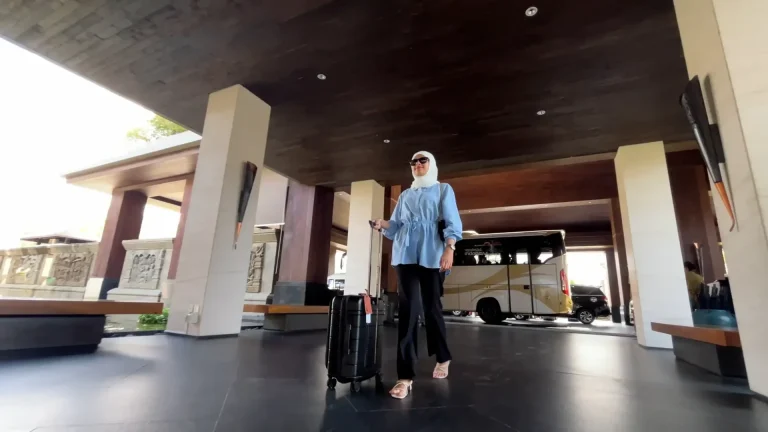 Premium Travel: Hong Kong to Bali Business & First Class Flights
For discerning travellers, securing hong kong to bali business class flights offers enhanced comfort, superior service, and often…
Premium Travel: Hong Kong to Bali Business & First Class Flights
For discerning travellers, securing hong kong to bali business class flights offers enhanced comfort, superior service, and often…
 Hong Kong Passport Visa Bali — VOA, Duration, Extension
The transition is a study in contrasts. One moment, the cool, conditioned air of a Cathay Pacific A330…
Hong Kong Passport Visa Bali — VOA, Duration, Extension
The transition is a study in contrasts. One moment, the cool, conditioned air of a Cathay Pacific A330…
 Direct & Non-Stop Flights from Hong Kong to Bali (2027 Travel Guide)
Securing a direct flight from Hong Kong to Bali simplifies your journey to Indonesia. Several airlines provide non-stop…
Direct & Non-Stop Flights from Hong Kong to Bali (2027 Travel Guide)
Securing a direct flight from Hong Kong to Bali simplifies your journey to Indonesia. Several airlines provide non-stop…