
HKG — DPS · Guide
Currency HKD to IDR Bali — Conversion, ATMs, Card Use
One Hong Kong dollar buys roughly 2,000 Rupiah, so a HKD 500 note makes you a millionaire. Where to change it, which ATMs to trust, when to insist on being billed in IDR.
Rate
1 HKD ≈ 2,000 IDR
Indicative — it moves
ATM limit
IDR 2.5–3m
Per withdrawal, HKD 1,000–1,500
Daily budget
HKD 350–500
Mid-range, excl. accommodation
Card rule
Bill in IDR
Never accept HKD conversion
The transition from the dense verticality of Hong Kong to the sprawling horizontal green of Bali is a sensory recalibration. The air, thick with the scent of frangipani and clove-infused kretek smoke, replaces the familiar hum of the MTR with the distant, percussive rhythm of a gamelan ensemble. As you plan your escape from Chek Lap Kok to Denpasar, reading the financial landscape is as crucial as choosing between a villa in Canggu or a resort in Nusa Dua. This guide addresses the specifics of currency for the discerning Hong Kong traveler, ensuring your financial transactions are as fluid as your travel plans.
01 — 07
Understanding the Indonesian Rupiah (IDR): The Basics for Hong Kong Travelers
The first step for any traveler planning a trip to Bali from Hong Kong is to familiarize themselves with the local currency, the Indonesian Rupiah (IDR or Rp). The most immediate difference from the Hong Kong Dollar (HKD) is the number of zeros. With an exchange rate that often hovers around 1 HKD to 2,000 IDR, you will be handling large denominations. It is not uncommon to pay for a fine dinner with a few Rp 100,000 notes.
The primary banknotes in circulation are Rp 100,000 (red), Rp 50,000 (blue), Rp 20,000 (green), Rp 10,000 (purple), Rp 5,000 (brown), and Rp 2,000 (grey). Coins are also used but are less common for tourist transactions. For practical budgeting, consider these approximate street-level costs:
- A bottle of Bintang beer at a beach bar: Rp 30,000 – Rp 45,000 (approx. HKD 15-23)
- A main course of Nasi Goreng at a local warung: Rp 40,000 – Rp 60,000 (approx. HKD 20-30)
- A 30-minute taxi ride via a metered service: Rp 100,000 – Rp 150,000 (approx. HKD 50-75)
- Single entry to Uluwatu Temple: Rp 50,000 per adult (approx. HKD 25)
- A single-origin flat white at a Seminyak café: Rp 40,000 (approx. HKD 20)
Understanding these baseline costs helps in planning how much cash to acquire upon arrival from your Hong Kong to Bali flight, preventing over-exchange and the inconvenience of carrying excessive amounts of paper currency.
02 — 07
HKD to IDR: Your Conversion Options from Chek Lap Kok to Seminyak
The question of where and when to convert your HKD to IDR is critical for maximizing value. The options range from the convenience of an airport kiosk to the better rates of a city-center money changer. A common mistake for those on a quick weekend Hong Kong Bali trip is to default to the easiest option, which is often the most expensive. Here is a direct comparison of your primary choices.
| Conversion Method | Pros | Cons | Typical Rate & Fees |
|---|---|---|---|
| Money Changer in Hong Kong (e.g., in Central or Tsim Sha Tsui) | Peace of mind, arriving with local currency. | Rates are generally poor for IDR outside of Indonesia. Limited availability of large amounts. | Less favorable exchange rate, may include a commission fee. |
| Hong Kong International Airport (HKG) | Convenient before departure. | Among the worst exchange rates you will find. High commission. | Poor rate plus service fees. Best avoided for anything but a tiny emergency amount. |
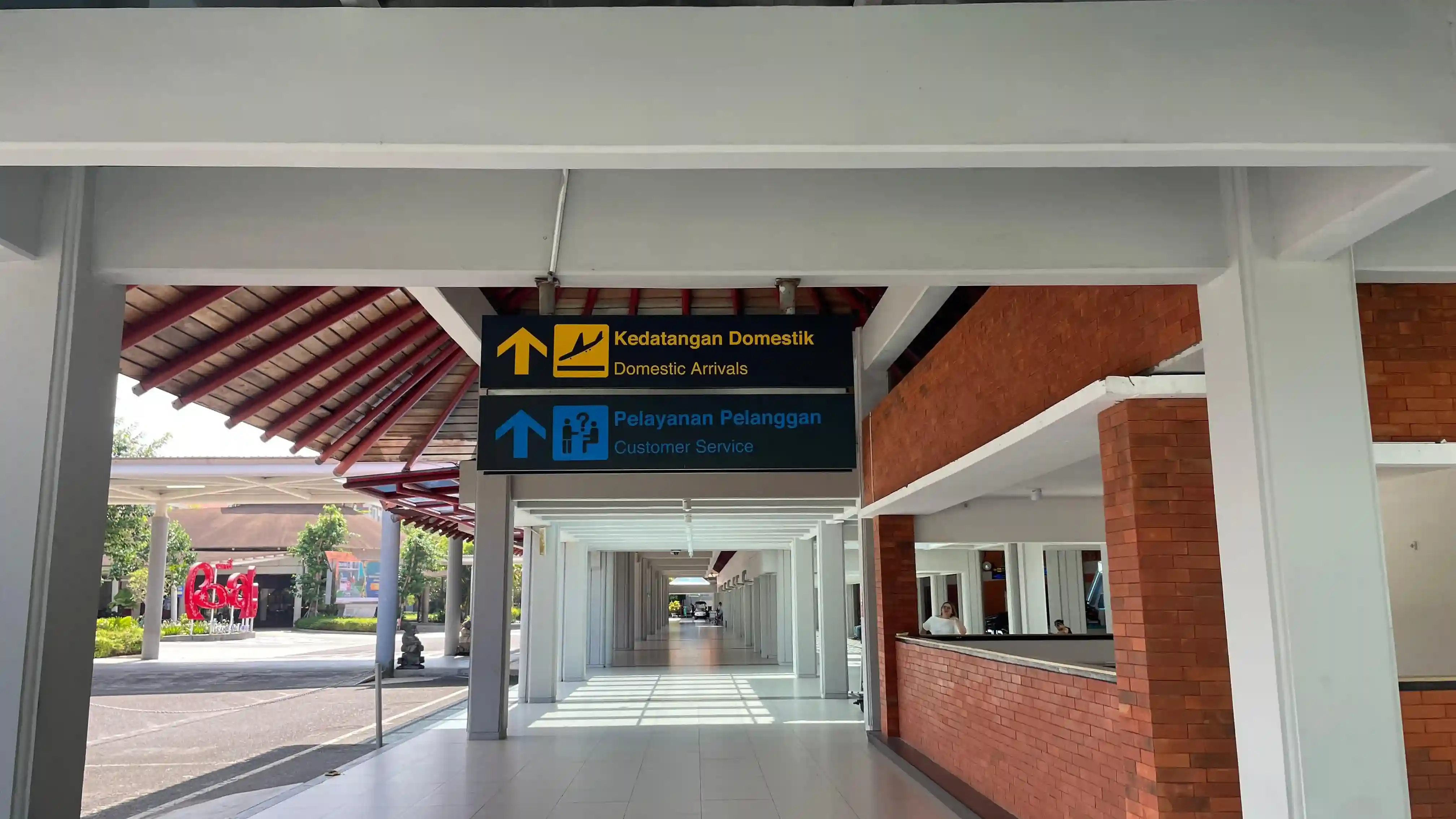
| Denpasar Ngurah Rai Airport (DPS) | Immediate access to IDR upon landing from your HK to Denpasar flight. | Rates are better than HKG but significantly worse than in town. | Unfavorable rates. Exchange only a small amount (e.g., HKD 400 / approx. Rp 800,000) for your taxi. |
| Authorized Bali Money Changer (In Town) | The best option. Competitive rates, no hidden fees if reputable. | Requires a trip into town. Risk of scams at unauthorized kiosks. | Excellent rates, often very close to the mid-market rate. No commission at reputable locations. |
| ATM Withdrawal in Bali | Convenient, widely available, secure. Access to funds 24/7. | Per-transaction withdrawal limits. Potential for multiple bank fees. | Wholesale exchange rate from Visa/Mastercard, but subject to fees from your HK bank and the local ATM provider. |
Expert Recommendation: For an optimal strategy, exchange a small sum at Denpasar airport—perhaps HKD 500 (approximately IDR 1,000,000)—to cover your initial transport and incidentals. Then, once settled, visit a reputable money changer for a larger amount. Look for established names like BMC (Bali Maspintjinra) or Central Kuta Money Exchange, which have multiple branches and display rates clearly with no commission.
Should I exchange all my HKD in Hong Kong before my flight?
No. This is strongly discouraged. The exchange rates for Indonesian Rupiah in Hong Kong are not competitive. You will receive significantly more for your money by waiting until you arrive in Bali. The convenience is not worth the financial loss, especially on a larger holiday budget.
03 — 07
Navigating Bali ATMs: Withdrawals, Fees, and Security
Using an ATM is a reliable method for accessing cash in Bali, particularly for travelers from a major financial hub like Hong Kong. Most ATMs in tourist areas like Seminyak, Ubud, and Canggu are modern and accept cards on the Cirrus and Plus networks (check the back of your card). Major Indonesian banks such as BCA (Bank Central Asia), Mandiri, and BNI (Bank Negara Indonesia) have the most extensive and reliable networks.
Key considerations for ATM use:
- Withdrawal Limits: Most ATMs have a per-transaction limit, typically between Rp 2,000,000 and Rp 3,000,000 (HKD 1,000 – 1,500). ATMs dispensing Rp 100,000 notes usually have a higher limit than those with Rp 50,000 notes.
- Bank Fees: This is the primary drawback. You may be charged three separate fees: a fixed fee from the local Indonesian bank (sometimes waived), a foreign transaction fee from your Hong Kong bank (e.g., HSBC, Standard Chartered), and a currency conversion markup. These can add up to HKD 50-100 per transaction.
- Security: Only use ATMs located inside a bank lobby or attached to a well-lit convenience store like Circle K or Indomaret. Always cover the keypad when entering your PIN and be wary of any unusual devices attached to the card slot, which could be a card skimmer.
To minimize fees, it’s best to make fewer, larger withdrawals rather than multiple small ones. Check with your Hong Kong bank before you travel about their specific charges for overseas ATM withdrawals. Some premium accounts may offer reduced or waived fees.
Which ATMs in Bali are the most reliable?
ATMs operated by major national banks like BCA, Mandiri, BNI, and CIMB Niaga are generally the most reliable. They are well-maintained and less likely to have issues. It is advisable to use machines located at a bank branch during opening hours, so in the rare event your card is retained, you can resolve it quickly.
04 — 07
Credit and Debit Card Usage: Where Plastic is Welcome
For many travelers accustomed to Hong Kong’s cashless convenience, the question of card acceptance in Bali is paramount. While Bali’s payment infrastructure is developing, it is not as ubiquitous as in HK. Visa and Mastercard are widely accepted in mid-range to high-end establishments. American Express is accepted less frequently.
Where to Use Your Card:
- Major hotels and resorts (e.g., The Mulia, Four Seasons).
- Upscale restaurants and beach clubs (e.g., Potato Head Beach Club, Ku De Ta).
- International brand retailers and larger boutiques in Seminyak Village or Beachwalk Shopping Center.
- Established tour operators and dive centers.
Where to Use Cash:
- Local restaurants (warungs).
- Market stalls (e.g., Ubud Art Market).
- Local transportation (drivers, scooter rentals).
- Small convenience stores and street vendors.
- Entrance fees for most temples and natural attractions.
A critical point when paying by card is to be aware of Dynamic Currency Conversion (DCC). You may be offered the choice to pay in your home currency (HKD) or the local currency (IDR). Always choose to be billed in IDR. If you select HKD, the merchant’s payment processor will apply a non-competitive exchange rate, costing you more. Also, note that some smaller businesses may add a surcharge of 2-3% for card payments to cover their processing fees.
Do I need to inform my bank in Hong Kong before traveling to Bali?
Yes, it is highly recommended. A travel notification on your account prevents your bank’s fraud detection system from flagging legitimate transactions in Indonesia and blocking your card. This can typically be done easily via your online banking portal or a quick phone call.

05 — 07
A Financial Itinerary for a Weekend Trip: Hong Kong to Bali
Mapping out your cash and card usage can streamline a short getaway. Here is a sample financial plan for a typical weekend Hong Kong Bali itinerary.
Friday Evening: Arrival and Settling In
Your Cathay Pacific flight, CX785, lands at Denpasar Ngurah Rai (DPS) at approximately 20:05. After clearing immigration, your first financial task awaits.
- 21:00: At the DPS arrivals hall, locate a bank-operated ATM (e.g., BNI or Mandiri). Withdraw Rp 1,000,000 (approx. HKD 500).
- 21:15: Use this cash to pay for a fixed-rate airport taxi to your accommodation in Seminyak (approx. Rp 150,000 – 200,000).
- 22:30: Use remaining cash for a late-night snack or drink at a local establishment.
Saturday: Exploration and Dining
A full day of activities requires a mix of payment methods.
- 09:00: Visit an authorized money changer (e.g., a BMC branch) and exchange HKD 2,000 for approximately Rp 4,000,000. This should be your main cash supply.
- 10:00: Use cash to rent a scooter (approx. Rp 70,000) or hire a private driver for the day (from Rp 600,000).
- 13:00: Pay for lunch at a warung near Ubud with cash (approx. Rp 150,000 for two).
- 16:00: Entrance fees for a site like Tanah Lot Temple (Rp 60,000 per person) must be paid in cash.
- 20:00: For dinner at a fine dining restaurant in Seminyak, such as Merah Putih, use your credit card (mains from Rp 250,000).
Sunday: Relaxation and Departure
Wind down your trip with final purchases before your afternoon flight, perhaps Garuda Indonesia GA856 departing at 14:45.
- 10:00: Use your credit card for a spa treatment at your hotel or a reputable spa like Bodyworks (treatments from USD $30 / Rp 470,000).
- 12:00: Use your remaining cash for last-minute souvenirs at a local market or for a final coffee.
- 13:00: Pay for your pre-booked taxi to the airport with cash or via an app like Gojek/Grab, which can be linked to a card.
06 — 07
Advanced Considerations: Digital Wallets and Sending Money
The digital payment scene in Indonesia is dominated by local apps like Gojek (with its GoPay wallet) and Grab (OVO). These are indispensable for ride-hailing, food delivery, and even small retail payments. However, for short-term visitors from Hong Kong, topping up these wallets can be challenging as it often requires an Indonesian bank account or phone number. While some workarounds exist, for a short trip, relying on cash and cards is more straightforward.
Can I use my Octopus card or AlipayHK in Bali?
No. Hong Kong-specific payment systems like Octopus, AlipayHK, and WeChat Pay HK are not integrated with Indonesian retail payment networks. You will not be able to use them for transactions in Bali.
For larger sums or planned expenses, services like Wise can offer excellent exchange rates for transferring money. However, this is more suited for long-stay visitors or those paying for villa rentals in advance, rather than for on-the-ground spending during a holiday from Hong Kong.
07 — 07
Plan Your Financial Strategy with Our Bali Experts
Understanding the nuances of currency exchange and payments ensures your focus remains on the experience, not on transaction fees. At the Hong Kong to Bali Travel Guide, we provide tailored advice to make your trip seamless from the moment you leave HKG. Let us help you prepare a financial checklist customized to your itinerary.
Follow these steps for complimentary, expert advice:
- Contact Us: Email our Bali-based team at [email protected] with your prospective travel dates and the number of people in your party.
- Receive Your Checklist: We will send you a complimentary, personalized pre-travel financial checklist. This includes a budget planner, a list of recommended money changers near your accommodation, and the latest ATM fee information.
- Arrange Seamless Transfers: As an option, you can pre-book your airport transfer or a private driver for your entire trip through our service. We facilitate secure advance payment, so you need less cash on arrival.
By preparing your currency strategy, your trip to Bali from Hong Kong can be what it should be: a restorative escape.
Frequently Asked Questions
4 answersWhat is a reasonable amount of cash to carry per day in Bali?
For a mid-range travel style, budgeting around Rp 700,000 – Rp 1,000,000 (HKD 350 – 500) per person per day for food, transport, and activities (excluding accommodation) is a solid baseline. This can be adjusted based on your plans for fine dining or shopping.
Is it better to use a credit card or debit card for ATM withdrawals?
Generally, a debit card is preferable for ATM withdrawals as transactions are treated as cash advances on a credit card, incurring higher fees and immediate interest charges. Check the specific fee structure for both your debit and credit cards with your Hong Kong bank.
How do I spot a reputable money changer?
A reputable money changer will have a professional, permanent-looking office (not a small booth inside a souvenir shop), clear digital signage with exchange rates, and will provide a printed receipt. They will not have suspiciously high “bait” rates advertised on a handwritten sign. If a rate seems too good to be true, it is. Stick to well-known brands like BMC or Central Kuta.
Is tipping customary in Bali, and how much should I tip?
Tipping is not obligatory, but it is appreciated for good service. Many hotels and restaurants already include a service charge (usually 10-15%) in the bill. If a service charge is not included, a tip of 5-10% is a generous gesture. For drivers or tour guides, a tip of Rp 50,000 – Rp 100,000 for a full day of service is common.
Next step
Have us book the whole weekend.
Send your dates and the style you want — Seminyak, Ubud or Uluwatu. We handle flights, villa, driver and the VOA paperwork, and you land to someone holding your name.
Keep reading
Hong Kong — Bali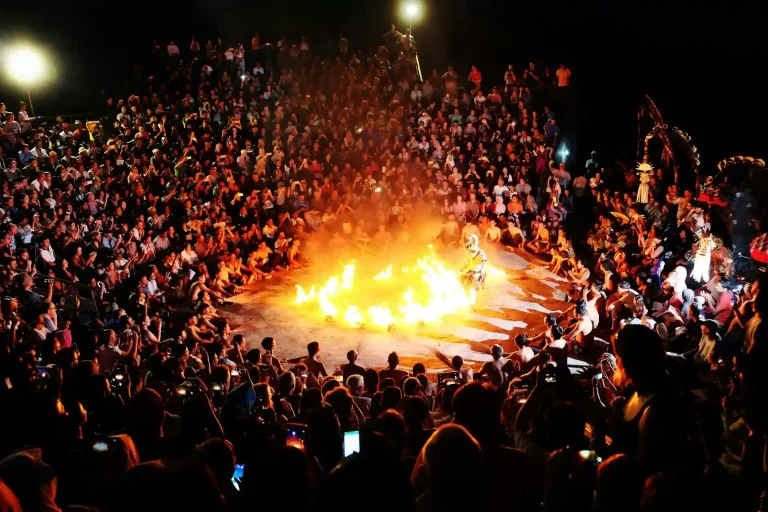 Hong Kong to Bali Cultural Tips: Etiquette, Food, Currency
The view from the Airport Express as it glides out of Kowloon Station is one of…
Hong Kong to Bali Cultural Tips: Etiquette, Food, Currency
The view from the Airport Express as it glides out of Kowloon Station is one of…
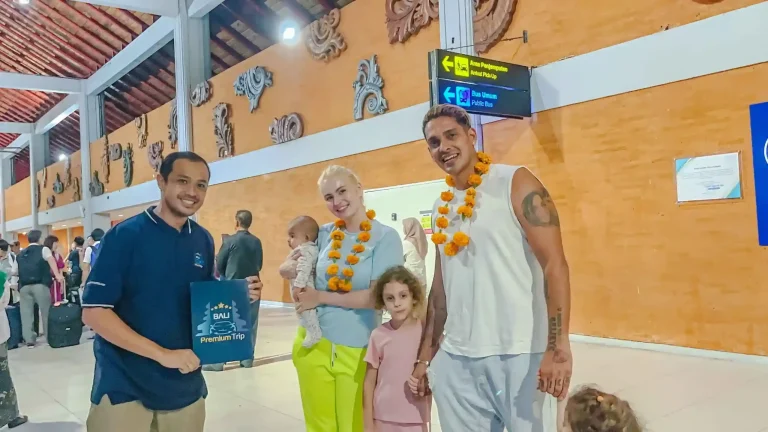 Hong Kong Passport Visa Bali — VOA, Duration, Extension
The transition is a study in contrasts. One moment, the cool, conditioned air of a Cathay…
Hong Kong Passport Visa Bali — VOA, Duration, Extension
The transition is a study in contrasts. One moment, the cool, conditioned air of a Cathay…
 Hong Kong to Bali Travel Guide Packing Guide
Packing for your Hong Kong to Bali journey means curating a versatile wardrobe that respects diverse…
Hong Kong to Bali Travel Guide Packing Guide
Packing for your Hong Kong to Bali journey means curating a versatile wardrobe that respects diverse…